ප්‍රවර්ග
Articles

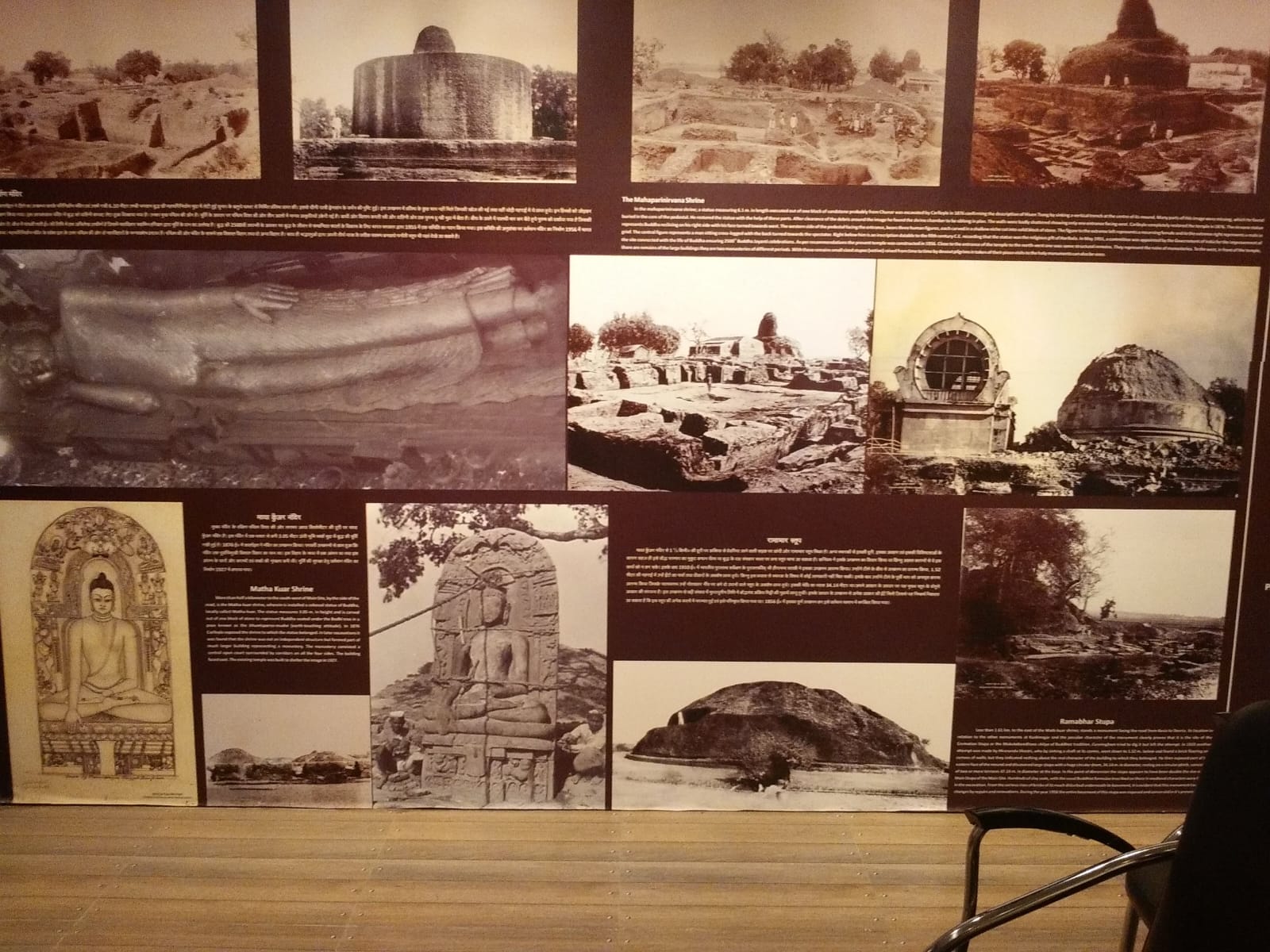
A. C. L. Carlyle: Pioneer of Indian Archaeology and Devoted Preserver of Buddhist Heritage

Introduction

Archibald Campbell Carlyle (1831–1897), First Assistant of the Archaeological Survey of India (ASI), was a pioneering British archaeologist whose life was devoted to discovering, preserving, and restoring India’s ancient heritage. He is particularly renowned for his meticulous work at Kusinagar, the site where the Buddha attained Parinibbāna, and for his tireless search for other historically significant Buddhist cities, including Pāvā. Carlyle’s dedication was not motivated by fame or wealth but by a profound respect for history and the teachings of the Buddha.

Fieldwork at Kusinagar

Arrival and Initial Work

Between 1877 and 1880, Carlyle traveled extensively in northern India. After leaving Chaora and Bhopa, he reached Gorakhpur, where he remained from June to November. In November, he traveled to Kasya and pitched his camp near the black stone statue of Buddha Bhikshu, among the ruins of Kusinagar.

Although General Cunningham had previously documented the statue (1861–62), he had not conducted thorough excavations. Carlyle immediately began systematic investigations of mounds, ruins, and brick structures, uncovering temples, stupas, and monastic buildings.

Excavation of Temples and Mounds

Near the black stone statue, Carlyle discovered a low, round-topped mound of brick ruins. Excavation revealed the base of a small temple, approximately 23 feet square externally and 10–12 feet square internally. The doorway faced east, and inside the western wall, he found the brick pedestal on which the black statue had once stood.

Outside the walls, he discovered a large black stone slab with an inscription in Kutila script, probably of the eleventh century, starting with “Om namo Buddhdya namo Buddhdya Bhikshune.” Though parts of the inscription were missing, it provided evidence of the temple’s religious use.

Discovery of the Colossal Parinirwana Buddha Statue

Carlyle’s most remarkable achievement was uncovering a colossal recumbent statue of the Buddha, lying on a broken Singhasan in a chamber measuring approximately 30 feet in length and 12 feet in breadth. The statue measured about 20 feet in length and was broken in several places due to ancient damage:

  • Upper part of the left leg, portions of the waist, and left arm
  • Portions of the head and face
  • Parts previously repaired with plaster

To restore the statue, Carlyle excavated beneath the pedestal and Singhasan, recovering many fragments ranging in size from a few inches to several feet. He personally reassembled the statue by hand, restored missing parts with stucco and Portland cement, and painted it with lifelike colors: yellowish flesh tones for the face, hands, and feet; white for drapery; and black for hair.

Restoration of the Temple and Roof Construction

After completing the Buddha statue, Carlyle repaired the surrounding temple. To protect both the restored statue and the temple, he constructed a vaulted roof using:

  • Bamboo and mat frameworks
  • Cow-dung mixed with clay as a mold
  • Keystone bricks for the arch

He emphasized that the roof could only be built after the statue was fully restored, ensuring its protection. This reflected both his meticulous planning and practical ingenuity in heritage preservation.

Other Excavation Discoveries at Kusinagar

During the Kusinagar excavations, Carlyle uncovered numerous archaeological treasures:

  • Four-armed Ganesa figure in dark greenish-blue stone, 1 foot 8 inches tall
  • Small seated figure of Maya Devi embedded in the front ante-chamber wall
  • Broken figure of Viṣṇu from the south side of the great mound
  • Fragments of an ornamental canopy of a small statue, probably of Sariputra
  • Copper plates and terracotta seals with Buddhist inscriptions
  • Small stupas of varying sizes surrounding the main stupa
  • Iron hinges and charred wood from temple doors, indicating destruction by fire
  • Ancient well, repaired and restored for water use
  • Evidence of monastery remains, paved channels, and water drains

These discoveries highlighted both the grandeur of Kusinagar in its prime and the violent historical events that caused destruction to Buddhist heritage.

Search for Pava and Other Buddhist Sites

Beyond Kusinagar, Carlyle undertook a rigorous search for historically significant cities like Pava. This required:

  • Traveling long distances on horseback or foot through difficult terrain
  • Enduring extreme heat, monsoon rains, and dense thorny forests
  • Excavating overgrown mounds and ruins

Despite these hardships, Carlyle remained methodical and patient, guided by historical texts and inscriptions, contributing significantly to the understanding of the geography of early Buddhism.

Carlyle’s Character and Dedication

Carlyle’s writings and actions reveal him as:

  1. Dedicated and hands-on – personally restoring statues and supervising masons
  2. Resourceful and innovative – designing roofs and protection systems for fragile monuments
  3. Scholarly and meticulous – documenting measurements, inscriptions, and fragments with precision
  4. Resilient and courageous – enduring harsh climates and physically exhausting work
  5. Selfless and principled – spending his own salary for restoration when government funds ran short
  6. Passionate about preservation – prioritizing heritage over convenience or personal gain

Even under the most challenging conditions, Carlyle ensured that every site he excavated was properly documented and protected.

Life and Career

  • Born in England in 1831, Carlyle initially came to India seeking opportunity, working as a tutor and in museums (Calcutta, Agra).
  • He joined the ASI in 1871, appointed by Director General Alexander Cunningham (1814–1893).
  • He was First Assistant under Cunningham, conducting surveys across northern India and pioneering studies of prehistoric rock paintings and early coins.
  • Prior to Kusinagar, Carlyle discovered Stone Age paintings in Sohagighat (Mirzapur) and excavated sites across eastern Rajasthan, Vindhya Hills, and the plains of Gorakhpur, Saran, and Ghazipur.
  • After the ASI disbanded, he returned to Britain in 1885 and lived in straitened circumstances, selling or donating his collections.
  • He passed away in 1897, leaving a legacy of meticulous scholarship, practical restoration, and profound respect for Indian heritage.

Legacy and Respect

Carlleyle’s work at Kusinagar exemplifies archaeology with heart. He combined:

  • Scholarly knowledge
  • Technical skill
  • Personal devotion
  • Deep reverence for history

He worked tirelessly under difficult conditions to ensure that the Buddha’s monuments were restored, protected, and remembered. For this reason, he is remembered not only as an archaeologist but as a guardian of history, whose work commands lasting respect and admiration.

Conclusion

  1. C. L. Carlyle stands as a role model for archaeologists, historians, and heritage conservators. His Kusinagar excavation — uncovering and restoring the colossal Nirvana Buddha, temples, stupas, and numerous artifacts — demonstrates what can be achieved through dedication, intelligence, courage, and selflessness. His efforts ensured the protection and survival of Buddhist heritage in India, providing a legacy that deserves enduring respect and admiration.

References

  1. Carlyle, A. C. L. (1880). Report of Tours in Gorakhpur, Saras, and Ghazipur 1877–78–79–80. Archaeological Survey of India, Vol. XXII. First Assistant, Archaeological Survey of India.
  2. Archaeological Survey of India. (1877–1880). Excavation notes and site records of Kusinagar and other Buddhist sites.
  3. Cunningham, A. (1861–62). Report of the Archaeological Survey of India, Volumes on Northern India.

Here I have extracted Mr. Carlyle’s words from his report,

Source:
A. C. L. Carlyle, Report of Tours in Gorakhpur, Saran, and Ghazipur 1877–78–79–80, First Assistant, Archaeological Survey of India, Volume XXII.

“Kusinagara – After leaivng Chaora and Bhopa I went straight to Gorakhpur, where I remained from June to November. In the month of November I started for Kasya, and pitched my camp near the black stone statue of Buddha Bhikshu, among the ruins of Kusinagara.

As this is not the Report of any one season, but only a part of a mere abbreviated summary of the operations carried on by me during the course of two seasons, although I have really very much to say about my discoveries at Kusinagara, yet my notice of them must here necessarily be cut as short as possible.

The black stone image of Buddha Bhikshu, near which I encamped, has already been described in General Cunningham’s Archaeological Reports of the years 1861-62; but as General Cunningham did not make any thorough excavations at Kusinagara, it will now be my business to give a short account of what I myself did in that line there.

Close to the east side of the black statue, there was a low round-topped mound of brick ruins. I immediately set about excavating this mound, and discovered that it contained the base of a small temple, about 23 feet square exteriorly, and about 10 feet square at the floor, or 12 feet above, interiorly. The doorway was on the east side, and against the inside of the western wall I found the brick pedestal on which the great black statue had once stood. On excavating round about the walls outside, I found a large black slab of stone with an inscription, lying near the wall on the south side of the doorway.

This inscription was in the Kutila character, and probably of about the eleventh century. It commenced with the words “Om namo Buddhdya namo Buddhdya Bhikshune

But I could not find any date, and many of the lines were broken and imperfect; and the ends of most of the lines, and the lower right-hand corner of the inscription, were entirely gone, owing to the shaling off of the stone, which was a kind of black slate.

After having completed this excavation as far as was necessary, I proceeded to the great long mound of ruins called the Matha Kunwar ka kot. Here, towards the eastern end of the mound, there was a high pointed pile of brick, which was the remnant of the core of the dome of a great stupa; and at the base of this pile, a portion of the circular outline of the neck of the stupa could be discerned. Close to the west side of this great mass of ruin, there was a slight, narrow depression; and again, immediately to the west of that, the mound rose again, presenting a flatfish top with an oblong outline. As it appeared to me likely to be the ruins of an oblong-shaped building, and as I was actually in search of the great Buddhist temple containing the famous colossal statue of the Nirvana of Buddha, it struck me that I might possibly have the good fortune here to hit upon some remains of the famous statue.

I then ordered a shaft to be sunk in the centre of this mound. After digging to the depth of about 10 feet, 1 came upon what appeared to be the upper part of the legs of a colossal recumbent statue of stone, but which had apparently been repaired with plaster. I then hurried on the excavations, until 1 had uncovered the entire length of a colossal recumbent statue of Buddha, lying in a chamber which was about 30 feet in length by nearly 12 feet in breadth. The statue was lying on a broken Singhasan. But I found that the statue itself was very much broken, and that many portions of it were wanting. The upper part of the left leg, and both feet, and the left hand, and a portion of the body about the waist, and a portion of the head and face, were entirely gone; and a portion of the left arm, which had been lost at some former period, had been replaced by stucco, or brick covered with a coating of strong plaster. The right arm and hand were placed under the head, and the figure was reclining on its right side, with the face turned towards the west. The stone of which the statue was formed was sandstone, of a mixed colour, mostly dark red and clay colour. The total length of the statue was about 20 feet, and the length of the Singhasan about 24 feet. The thickness of the walls of the temple was nearly 10 feet, and the dimensions of the temple exteriorly were about 47 feet 6 inches by 32 feet. But there was, besides, also an ante-chamber, or entrance chamber, to the west, which was about 35 feet 6 inches in length by about 15 feet in breadth, outside, with walls about 5 feet thick; the dimensions of the interior being 26 feet by 10 feet 6 inches,

I next commenced to repair both the statue and the temple. When about to commence the repairs of the statue, I discovered that some fragments of the statue had been built in under it, into the Singhasan. I then had the greater portion of the statue lifted off from the Singhasan, with great difficulty, and commenced to dig down into the Singhasan for the missing fragments of the statue. In this way, I recovered a great many of the missing portions of the statue, and 1 found that many pieces were buried down under the Singhasan. The fragments which I found ranged in size from a few inches to several feet. I was thus enabled to restore most of the statue with its own fragments, but still several portions were wanting. I had, however, found several rough pieces of stone in the excavations which I made in various parts of the great mound, and I fitted these into the gaps in the statue; and when I fell short ol stone, I restored the remaining portions with a strong compound-like stucco, composed of a cement formed of various ingredients, among which was Portland cement, I having been so fortunate as to obtain a little Portland cement through the kindness of Mr. Peart, who was then District Engineer of Gorakhpur.

I also entirely repaired, restored, and beautified the Singhasan. There were originally four truncated pillars of stone (or stone posts), one at each corner of the Singhisan, but of these, only two were found. The sides of the Singhasan had been formed of slabs of stone, but many of these were wanting, and not more than just enough to complete one side were found. Affixed to the western side of the Singhasan 1 found three small sculptures, displaying three human figures, each carved in a niche cut into a solid block of stone.. The left-hand figure was that of a woman with long hair, and stooping or crouching forwards with her hands resting on the ground. The right-hand figure might be that of either a male or a female; and was in a sitting position, with the head resting on the right, hand, as if in sorrow. The central figure was that of a man, sitting in a squatting position, with his back turned towards the spectator, and his face hidden from view and turned towards the great statue of the Nirvana, On the lower part of the stone of this latter sculpture, 1 was so fortunate as to find an inscription, in two lines, in characters of probably about the second century of the Christian era.

I read this inscription as follows ?

1. Deya dharmoyam Maha Vihare Swamino Haribalasya.

2. Prathimam cheyam ghatitadine Sangha Surena.

This I translate as follows: ‘ ‘The religious gift, to the Great Vihar, of the Lord Haribal. the colossal statue (was presented) to the first united Assembly by Sura”

By the above 1 understand that it was intended to say that the stone with the small sculpture of the sitting figure of a man was the pious gift to the Great Vihar of a nobleman named Haribal, but that the colossal statue of the Nirvana of Buddha had been presented to the first united Assembly by Sura. Now, it is remarkable that a person called Sura was the presenter of a lion-capital pillar to a vihar near the famous stupas of Bhilsa and Sanchi. At least I gather this from the copy of an inscription which General Cunningham was so kind as to send me, and which I read as follows: Sundare Vihare Swamino Sura Sinha-baliputra rupya.

In this inscription some of the words are lost; but I conceive it to mean ‘that Swami Sura presented a lion-whelp sculpture to the Beautiful Vihar.

After having completed the repairs and restoration of the statue, 1 gave it a coating of paint, in order to preserve the stone; and I coloured the face, neck, hands, and feet, a yellowish flesh-colour, and I coloured the drapery white; and I also gave a black tint to the hair. Thus I really made the statue as good and as perfect as ever it was, or perhaps even better than ever it was. I may also further state that 1 myself worked at the restoration of the statue with my own hands, like any common mason. At the same time that 1 was repairing the statue, I also set about repairing the temple. When the ruins of the temple were first excavated, the ruined walls varied in height at various parts from 5 to 6, 7, 8 and in one place nearly 10 feet, measured from outside; but their height inside was much less. But the tops and a portion of the outer sides of the walls being in a broken, shaky, and bulged condition, many parts had to be taken down and rebuilt. I then next commenced to heighten the walls, and I raised them all to the height of 12 feet. The walls had a slope or batter; and the bricks outside, after every three courses, were built in for about 1 1/2 inch with what the native, masons call a khaska~.

The next thing was to roof in the temple. On clearing out the inside of the temple, I discovered a few bricks, in situ, of the remains of the spring of the arch of a vault.

The bricks were set on end, and from the line of curve which their sloping edges indicated, it was evident that the arch of the vault had been a pointed one, meeting at the height of about 13 feet from the floor. I consequently determined to build a pointed arched vault of 12 feet in height. At one end of the building, I also found a few bricks remaining in situ of an arched window; and there had evidently been another window of the same kind at the other end. In the doorway, I also found a few bricks of the spring of an arch, in situ standing on end. In the outer or front entrance chamber, there had also evidently been a small window at each end. I had thus a great vault and five arches to rebuild. But in the inner doorway of the temple itself, I made an interesting discovery. In two hollows, one on each side, at the lower part of the doorway, I found the ancient cup-shaped iron pivot hinges, of the former doors; and with the hinges, I found some fragments of black charred wood, which showed that the doors had been destroyed by fire; and as numerous human bones and various charred substances were found in the outer chamber, as well as in both doorways, it was evident that Buddhism had here been anihilated by fire and sword !

1 must now describe how I built the great vaulted roof over the temple. It must be borne in mind that I had already entirely repaired and restored the great statue, before I commenced to build the roof; and therefore an arch or vault of masonry had to be thrown over the temple, without in any way injuring the precious statue below ! How this was to be done was a puzzle to the native masons ; and one head mason and his men actually ran away out of sheer fright at the difficulty of the undertaking! But I at once saw how it was to be done; and l would have undertaken to build an arched vault, over a shop full of glass and crockery, without removing or injuring a single fragile article.

It only required a little gumption ! I had already built up the two end gable walls, to their required curved shape and height, to serve as a guide for the curve and height of the arch. I then next covered the statue entirely with a large pall or cloth, and over that with soft mats. Over all, I placed a cage formed of mats and bamboos. Then along each side of the interior of the long walls of the chamber, I built up two rough temporary inner walls of brick and clay, 6 feet in height, and about a foot in thickness. On these, from side to side, I placed a close flooring of bamboos and mats, at the height of about a foot above the highest projecting point of the statue and 6 feet above the floor. I then placed a close series of strong bamboo ribs on end, on the two rough temporary side walls and made the top ends of the bamboos from each side meet above, at nearly the height of the required arch, and bound their points firmly together, and united them to a strong ridge pole which I had placed on the tops of the two gable end walls, so that it lay lengthwise, from end to end, along the centre. I then covered this frame-work with a coating of cow-dung, mixed with soft adhesive clay; and 1 thus formed a perfect curved mould for the pointed-arched vault. Then 1 set the masons to build the arch of the vault; and when the arch was sufficiently far advanced, I clinched it with ancient bricks of an enormous size, as keystones. When the vault was completed, the next thing was to take out the frame-work of bamboos, & C. ; and the removal of the whole mass of frame work was effected, piece by piece, by passing the materials out through the two arched windows which 1 had already previously constructed in the two.end walls. After the framework was removed, I next removed the bricks and clay of the two temporary supporting side walls, the materials being carried, bit by bit, out of the doorway. At length, when all was clear, I uncovered the statue and found that it was perfectly intact. Not a single bit of anything had fallen on it, and it had not received the slightest injury of any kind.

As I had found some round moulded bricks in the excavations, which had evidently formed parts of pinnacles, I used them for the same purpose; and I surmounted the roof of the temple with a row of pinnacles. After this, 1 fixed a strong iron barred swivel door, in the doorway of the temple, and I placed an iron railing around the statue; and I also fixed iron bars in the windows.

I also roofed in the outer front anti-chamber, with a sloping roof of sal timber and tiles, and I put a wooden door in the outer doorway of the front chamber.

In the preceding description of my operations, it will be seen that I have stated that I completed the repairs and restoration of the statue before I built the roof over the temple; or, in other words, I built the roof over the temple after I had repaired and restored the statue.

 Now it is possible that if this summary report of my operations should happen ever to be read by any engineers, some over-wise engineer may possibly exclaim, “Well, 1 never heard of such a thing! What, first restore or reconstruct a grand statue, and afterwards build a roof of masonry over it?

Why did not the fellow have the common sense first to build the roof, and afterwards to repair the statue?” Well, then, my answer to this would be an effectual one. Hooly and fairly, man! hooly and fairly! Just wait a wee, and I’ll tell you all about it. You see the building which I roofed in was not a dwelling-house, either for you or for me; but it was simply a covering for the protection of a grand ancient statue, of historical interest; and therefore until there was a statue to cover and- protect, or rather until the statue was in such a condition of perfectness as to make it worth while to protect and cover over with a roof,  there was no use in roofing in the old temple at all! Now I have already previously stated that, when I first found the statue, it was broken to pieces, and numerous portions of it were lost and wanting. And therefore, when I first set to work to repair the statue, 1 was in great doubt as to whether it would be possible to repair it at all; and at that time I had no hopes whatever of being able to restore it to its pristine condition, seeing that the statue was in a firightfully smashed-up condition, and numerous parts of it were entirely wanting, and could not at first be found anywhere, until I made an excavation underneath the pedastal of the statue, made an excavation underneath the pedastal of the statue, after having had all that then remained of it lifted off to one side. Consequently, until I had made quite sure of being able to repair and restore the statue, I was not going to be such a zany as to build a roof over nothing! Now, the only way in which I could prove or ascertain whether , the statue could be restored or not, washy fitting and joining together all the fragments of the statue which I could find; and after the statue was all joined and put together, it then of course became absolutely necessary to build a proper roof over it, in order to preserve and protect it! Q. E. D.

But now, again, by those whose policy is retrenchment, it may perhaps be asked – And did the Government pay for all this restoration of a musty old Buddhist concern, merely for the sake of a little archaeological recreation? I answer, No! The Government funds which I had in hand did NOT prove sufficient for the completion of the whole work of restoration, in the manner in which I felt that it required to be completed; and so, when the Government funds in my hands ran short, I did not like to ask for any more; and I myself supplied the deficiency (or rather the further funds which I wanted) out of my own salary. On counting the cost, afterwards, I found that in the course of about three months, or from June to September, I had spent over R 1,200 out of my own salary, on the completion of the works at the Matha Kunwar ka Kot. But in this sum must also be included the cost of some extra excavations which I paid for myself. I need hardly say that this expenditure brought me into considerable pecuniary difficulty. Yet I felt that it was necessary.

And finally to all I would say:- Let those who cavil come and see the completed work with their own eyes, and then I shall be satisfied!

Besides the excavation and restoration of the temple and statue of the Nirvana, other still more extensive excavations were carried on in various parts of the great mound of the Matha Kunwar ka kot. The greatest excavation of all was made in clearing and laying bare to its foundations the great stupa close to the back or east side of the temple. When first I arrived at the Matha Kunwar, the whole mound was covered with a dense thorny jangal; and towards the east end, a compact mass of debris of broken brick and earth rose to the height of about 40 feet above the plain. Nothing in the shape of ruins was visible anywhere, except a high pointed, rugged, perpendicular pile of brick, on the top of all which I afterwards found was the remnant of a portion of the central core of the former dome of a stupa. At the foot of this pile, on the northern and southern sides, some slight excavations had been made by some former civil officers, which exposed, on two sides, a small portion of the circular outline of the neck of the stupa. But everywhere else, a solid mound of debris reached completely up to the foot of the ragged pinnacle of brick on the top. The depth of the excavation which I made on the east side, in order to reach the original foundations of the base, or lower plinth, of the stupa, was about 30 feet, and reached to below the level of the fields. I found that what had remained of the stupa, buried below the upper ragged pinnacle of brick, was a circular tower, now about 12 but originally about 14 feet in height, and about 180 feet in circumference. I next, found that this circular tower stood upon a square plinth, the east side of which measured about 85 feet in length; and the height of this plinth, on the south side, was about 4 feet 2 inches. This plinth stands upon another lower plinth, or basement, the east side of which measured 92 feet in length, with a height of about 4 feet 6 inches to 5 feet from the former level of the ground, which is below the present level of the fields. This gives a total height of about 21 feet, to what still remains of the stupa, in a pretty perfect condition. (These are the measurements of the height of the plinth on the southern side; but on the northern side, I found the upper plinth to be about 5 feet 6 inches in height, and the lower plinth about 4 feet in height.) Above and on the top of this height of about 21 feet, there was a sloping pile of ruins, which might be from 8 to 12 feet in perpendicular height, varying according to the point at which it was measured. Above this, there rose a high, rugged, pointed, perpendicular pile of brick, which was about 23 feet in height. This would give a grand total of about 54 or 55 feet in height. General Cunningham calculated the total height of the top of this ruin, from the plain, to be about 58 feet; but, as has been seen, I could not make out more than about 55 feet of height.

I had however to clear off, or diminish, some part of the top of the upper pile of ruin, in order to lessen the top weight, as it overhung, or leaned, slightly towards the temple, and I was afraid of its falling on it.

The circular tower or neck of the stupa stands at the distance of only 13 feet to the east of the back wall of the temple.

The plinth of the stupa is carried on, westwards, to the north and south of the temple;

and the temple in reality stands upon the same plinth as the circular tower of the stupa. The original total length of the grand plinth, from east to west, was thus probably about 150 feet;  the breadth of the plinth, at its base, from north to south, being about 92 feet.

But the temple , which I repaired was not the original temple; for the present temple was closely surrounded, on three sides, by the ruined remains of an ancient wall, which extended to within 6 feet of the back of the present temple, while it extended about 10 feet beyond the front of the present temple. The exterior outline of this low-ruined wall of the ancient temple presented a series of horizontal step-like ins and outs, the four corners being thus frittered off by a series of angular recessions. The dimensions of the ancient temple would appear to have been about 85 feet from north to south, by about 52 feet from east to west. There were ancient steps running down from the west side of the base of the ancient temple. These ancient steps were lower than, and about 10 feet distant to, the west of the steps of the present temple; and the ancient step probably originally reached down to the same level as the base of the lower plinth of the stupa.

Close adjoining to the east side of the base of the lower plinth of the stupa, I excavated, a row of small stupas, five in number, and which were of various diameters, namely, 8 feet 4 inches, 7 feet 8 inches, 9 feet, 6 feet, and 3 feet 10 inches. I also found another small stupa, 6 feet in diameter, and in a very perfect condition, adjoining the south side of the basement of the great stupa. But in the course of my general excavations, I found a numerous assemblage of small brick stupas, scattered over the eastern half of the great mound.

At the north-east corner of the lower plinth or basement of the great stupa, down at the very foundation of the building, and at the lowest point or greatest depth reached in the excavations, I found a red terra-cotta figure of Buddha, standing with his right hand raised in the attitude of teaching. The figure had lost the head, but I afterwards found the head among the earth a short distance off. When the head was fixed on, I found that the whole height of the figure was 2 feet 2 inches. In the excavation to the east of the stupa 1 found a metal bell, with a portion of a thin iron rod attached to it; and I also found a fragment of another bell, and three more iron rods to which bells had been attached! The inference which I drew from this was that a row of bells had been attached to the rim of the stone umbrella which surmounted the stupa. I also found, in the same place, a four-armed figure of Ganesh, in dark greenish-blue stone, which measured 1 foot 8 inches in height. I should also mention that I found a small sitting figure of Maya Devi, in dark greenish stone, embedded in the inside of the wall of the front ante-chamber of the temple. 1 also found a broken figure of Vishnu in the ruins of a building which I excavated on the south side of the great mound. I had all these sculptures carefully fixed inside the temple.

But the most interesting of the small sculptures which I found in the course of excavation, were two fragments of the ornamental side stone, or encircling stone, or. canopy, of a small statue, which, from a portion of an inscription still remaining on the back of one of the fragments, would appear to have been a statue of Sariputra, who was one of the most famous and respected of the disciples or followers of Buddha. The fragment contained only the right half of the inscription, which 1 propose to read as follows:—

……..(te) Sanyuvacha tesam cha yo nirodha………….Sanggha Sariputrasya.

The two fragments of sculpture referred to above, evidently formed the top and a portion of the left side of the ornamental encircling stone, or canopy, of a small statue. The top piece displays a small sculpture of the Nirvana of Buddha, 2 1/2 inches in length. It shows Buddha lying on his right side, on a couch, exactly as in the great statue in the temple. On the other fragment, there were two sculptures; one showing Buddha sitting cross-legged, and the other, below it, showing Buddha standing in the attitude of teaching; but the upper sitting figure had been broken off at the waist.

In the same excavation I also found a small plate of copper, about 41/2 inches in length, by about an inch in width, with the Buddhist profession of belief inscribed on it, in three lines, in characters of probably about the fifth century of the Christian era. 1 read the inscription as follows—

Ye dharmma hetu prabhava hetu tesham Tathagatahya  vadata teshancha yo nirodha evam vadi Maha Sramanah.

At the back of the temple I also found upwards of twenty terra-cotta or burnt clay seals, with the Buddhist profession of faith impressed upon them, in characters of a later period. The largest of these seals had also three stupas represented on it, in bold relief.

 I also made a partial excavation on the central highest part of the mound, to the west of the temple, and I uncovered a portion of the walls of some chambers, which appeared to have belonged to a monastery. And I also uncovered a portion of a pavement, and a drain or water channel, running through between the buildings.

I also discovered an ancient well, at the depth of about 10 or 12 feet below the surface of the mound, at the distance of about 60 feet, to the west of the temple. 1 cleared out this well, and repaired it, and built up the sides of it to a level with the top surface of the mound. This ancient well was originally square below, terminating in a slightly circular shape at the top. There is now good water in the well, and people draw water from it.

According to Huen Thsang’s account, there was also a lofty stone pillar standing near or close to either the temple, or vihara, or the great stupa, of the Nirvana; and on this pillar there was an inscription which recounted the circumstances of the Nirvana of Tathagatha (Buddha). But as Huen Thsang says that—mais on n’y a pas ecrit le jour ni le mois de cet evenement (but they have not written there either the day or the month of this event), the inscription could not have been of any historical value in settling the true date of the death of Buddha, I searched everywhere for this pillar in the course of my excavations, but I could not find any trace of it. But as my excavation to the south side of the great stupa was somewhat less extensive than on the other sides, it is just barely possible that the pillar may still be lying buried under the earth and debris, at some short distance off to the south of the great stupa; but in that case the pillar must have been situated at a greater distance from the stupa than would appear from the description of Huen Thsang. For immediately after his description of the stupa Huen Thsang says that—On a eleve en face une colonne en pierre, &c. (They have raised a pillar of stone in the face thereof,) It is difficult to say what side Huen Thsang meant by the face; but I can certify that no pillar could be found anywhere adjoining the stupa. – – A. C. L. Carlyle
ප්‍රවර්ග
Articles

පභස්සරමිදං , භික්ඛවෙ, චිත්තං

‘‘පභස්සරමිදං , භික්ඛවෙ, චිත්තං. තඤ්ච ඛො ආගන්තුකෙහි උපක්කිලෙසෙහි උපක්කිලිට්ඨං.
තං අස්සුතවා පුථුජ්ජනො යථාභූතං නප්පජානාති.
තස්මා ‘අස්සුතවතො පුථුජ්ජනස්ස චිත්තභාවනා නත්ථී’ති වදාමී”ති. පඨමං.

මහණෙනි, අවිද්‍යාවෙන් අන්ධව තම ආයතනයන්ට ස්පර්ෂවන බාහිර අරමුණු “මෙය තෘප්තිය ඇතිකරයි, මෙය කාන්තිමත්ය” ලෙස උපාදානය කරගනිමින් ගොඩනගා ගන්නා සංකාර හෙවත් සිත් තමන්ට පෙලීම, තැවීම, දුක ඇතිකරයි.
යම් කෙනෙක් වනාහි මෝහයෙන්, තමන් තුල ඇති තණ්හා-දෘෂ්ඨි- මාන අනුව බාහිර රූප කෙරෙහි ඇතිවන රාගය-ද්වේෂය නිසා ගොඩනගා ගන්නා සංකාරයන් හෙවත් කෙලෙස් සහිත සිත් උපාදානය කරගනිමින් විඥ්‍ඥානයන් එකතු කරගන්නවා.
එනම් තමන්ගේ පැවැත්මට හේතු සකස්කරගන්නවා.
ඒ ඇසූපිරූ තැන් නැති අශ්රුතවත් පෘතග්ජනයා ඒ අරමුණු වන රූපවල ස්වභාවයන් තත් වූ පරිදි නුවණින් දකින්නේ නැහැ. එබැවින් ‘ඇසූපිරූ තැන් නැති අශ්රුතවත් පෘතග්ජනයා සිතේ ඇතිවීම පිළිබඳව නුවණින් මෙනෙහි කරන්නේ නැහැ’ යයි මම කියමි.

“පභස්සරමිදං , භික්ඛවෙ, චිත්තං. තඤ්ච ඛො ආගන්තුකෙහි උපක්කිලෙසෙහි විප්පමුත්තං.
තං සුතවා අරියසාවකො යථාභූතං පජානාති.
තස්මා ‘සුතවතො අරියසාවකස්ස චිත්තභාවනා අත්ථී’ති වදාමී”ති. දුතියං.

මහණෙනි, අවිද්‍යාවෙන් අන්ධව තම ආයතනයන්ට ස්පර්ෂවන බාහිර අරමුණු “මෙය තෘප්තිය ඇතිකරයි, මෙය කාන්තිමත්ය” ලෙස උපාදානය කරගනිමින් ගොඩනගාගන්නා සංකාර හෙවත් සිත් තමන්ට පෙලීම, තැවීම, දුක ඇතිකරයි.
නිවැරදි දෘෂ්ඨියට එළඹි යම් කෙනෙක් වනාහි තමන් තුල ඇති තණ්හා-දෘෂ්ඨි- මාන ගැන කලකිරෙමින් ඒවායෙන් නිදහස් වෙමින්, සිහියෙන් සිටිමින්, ප්‍රඥාවෙන් යුතුව බාහිර රූප කෙරෙහි ඇතිවන රාගය-ද්වේෂය ඇතිවීම වලක්වාගනිමින් සංකාරයන් හෙවත් කෙලෙස් සහිත සිත් ඇතිවීමෙන් නිදහස් වෙමින් විඥ්‍ඥානයන් ඇතිවීමෙන් මිදෙනවා. එනම් තමන්ගේ පැවැත්මට හේතු නිරුද්ධ කරගන්නවා.
ඒ ඇසූපිරූ තැන් ඇති ශ්රුතවත් ආර්ය ශ්‍රාවකයා ඒ අරමුණු වන රූපවල ස්වභාවයන් තත් වූ පරිදි නුවණින් දකින්න දන්නවා. එබැවින් ‘ඇසූපිරූ තැන් ඇති ශ්රුතවත් ආර්ය ශ්‍රාවකයා සිතේ ඇතිවීම පිළිබඳව නුවණින් මෙනෙහි කරනවා’ යයි මම කියමි.

ප්‍රවර්ග
Articles

මනුස්ස භවයක් ලැබීම කොතරම් දුර්ලභද?

“ සෙය්‍යථාපි භික්ඛවෙ! පුරිසො එකචඡිග්ගලං යුගං මහාසමුද්දෙ පක්ඛිපෙය්‍ය. තමෙනං පුරත්‍ථිමො වාතො පච්ඡිමෙන සංහරෙය්‍ය, පචඡිමෙ වාතො පුරත්‍ථිමෙන සංහරෙය්‍ය, උත්තරො වාතො දක්ඛිණෙන සංහරෙය්‍ය, දක්ඛිණො වාතො උත්තරෙන සංහරෙය්‍ය, තත්‍රස්ස කාණො කච්ඡපො, සො වස්සසතස්ස වස්සසතස්ස අච්චයෙන සකිං උම්මුජ්ජෙය්‍ය, තං කිම්මඤ්ඤථ භික්ඛවෙ! අපි නු සො කාණො, කච්ඡපො අමුස්මිං එකච්ඡිග්ගලෙ යුගෙ ගීවං පවෙසෙය්‍ය, යදි නූන භන්තෙ කදාචි කරහචි දීඝස්ස අද්ධුනො අච්චෙය්‍යනාති, ඛිප්පතරං ඛො සො භික්ඛවෙ! කාණො කච්ඡපො අමුස්මිං එකච්ඡිග්ගලේ යුගෙ ගීවං පවෙසෙය්‍ය, තතො දුල්ලභතරාහං භික්ඛවෙ! මනුස්සත්තං වදාමි, සකිං විනිපාතගතෙන බාලෙන” යනු බුදුන් වහන්සේ මිනිස්බව දුලබ බව පෙන්වා වදාළ එක් දේශනාවකි.

“යම්සේද මහණෙනි! කෙනෙක් එක සිදුරක් තියන විය ගස් දණ්ඩක් මහා සාගරයට දමනවා. දැන් මේ මහා සාගරයට දමපු මේ වියගහ නැගෙනහිරින් හමන හුළඟට බටහිරට ගසා ගෙන යනවා, බස්නාහිරින් හමන හුළඟට නැගෙනහිරට ගසා ගෙන යනවා, උතුරින් හමන හුළඟට දකුණට ගසා ගෙන යනවා, දකුණින් හමන හුළඟට උතුරට ගසා ගෙන යනවා, එහි කණ කස්බෑවෙක් වසර සියයක් ඉකුත්වීමෙන් එක් වරක් දිය මතු පිටට එනවා. මහණෙනි, කොහොමද මේ ගැන හිතන්නේ? ඒ කණ කස්බෑවට ඒ එක සිදුරක් තියන වියගහේ සිදුරෙන් බෙල්ල ඇතුල් කරන්න හැකිවෙනවද?”

‘නැහැ ස්වාමීනි, එය බොහෝ කාලයකට කෙසේවත්, කවරදාවත් ස්ථිරව සිදුවිය නොහැකි දෙයක්’.

“එහෙනම් මහණෙනි, වහා ඉක්මන් කරන්න. ඒ කණ කස්බෑවා විය සිදුරෙන් බෙල්ල රිංගවීම යම්සේ දුර්ලභව සිදුවේද, ඒ ආකාරමයි කෙනෙක් සතර අපායට වැටුනොත් නැවත මනුස්ස ආත්මයක් ලබාගැනීමත්”.

මෙම පහත ගාථා දෙක තෙලකටාහ ගාථා වලින් උපුටාගත් ගාථා දෙකකි.

ලද්‌ධාන දුල්‌ලභතරඤ්‌ච මනුස්‌සයොනිං
සබ්‌බං පපඤ්‌චරහිතං ඛණසම්‌පදඤ්‌ච,
ඤත්‌වාන ආසවනුදෙකහිතඤ්‌ච ධම්‌මං
කො පඤ්‌ඤවා අනවරං න භජෙය්‍ය ධම්‌මං?

සියලු ප්‍රමාදයට හේතුවන කෙලෙස් වලින් මිදිය හැකි ක්ෂණ සම්පත්තියකින් යුතු ඉතා දුර්ලභ වූ මනුෂ්‍ය උපතක් ලබාසිටියදීත්, කොයි නුවණැත්තාද තම අභිවෘර්ධිය තකා උත්සාහයෙන් කාමාදී ආශ්‍රවයන් දුරු කර හැකි මග පෙන්නා දෙන ධර්මයත් අසා දැන ගෙන නිතර ඒ ධර්මය අනුව පිළිපැදීම නොකර ඉන්නේ?

ලද්‌ධාන බුද්‌ධසමයං අතිදුල්‌ලභංච
සද්‌ධම්‌ම මග්‌ගමසමං සිවදං තථෙව,
කල්‍යාණමිත්‌තපවරෙ මතිසම්‌පදඤ්‌ච
කො බුද්‌ධිමා අනවරං න භජෙය්‍ය ධම්‌මං?

අසමසම වූ නිවනට පමුණුවන ශ්‍රී සද්ධර්මය ඒ ආකාරයටම නොවෙනස්ව පවතින ඉතා දුර්ලභ වූ බුද්ධෝත්පාද කාලයක් ලබලාත්, කොයි නුවණැත්තාද ශ්‍රේෂ්ඨ උතුම් කල්‍යාණ මිත්‍රයෙක්ගේ උපකාරයෙන් ප්‍රඥා සම්පත්තිය ඇතිකරගෙන, නිතර ඒ ධර්මය අනුව පිළිපැදීම නොකර ඉන්නේ?

ප්‍රවර්ග
Articles

කර්මය සහ කර්ම විපාකය – 1 කොටස

“ගබ්භමෙකෙ’පපජ්ජන්ති නිරයං පාපකම්මිනො,
සග්ගං සුකතිනො යන්ති පරිනිබ්බන්ති අනාසවාති”

වරින් වර මිනිස් මවුකුසකට පැමිණෙන දීර්ඝ සංසාරයේ ගමන් කරන සත්වයන්,
මනුෂ්‍යයෙකු ලෙස ඉපදී අකුසල් ක්‍රියා සිදු කරමින්
නැවත නැවත ප්‍රේත-අසුර-තිරිසන්-නිරය යන සතර අපා දුගතියටද,
කුසල් ක්‍රියා සිදු කරමින්
නැවත නැවත මනුෂ්‍ය-දිව්‍ය-බ්‍රහ්ම ලෝක යන සුගතියටද,
යනවා සේම,
‘මමය-මගේය-මගේ ආත්මය’ යයි තම සිත සහ කය කෙරෙහි ඇතිකරගෙන තිබූ
උපාදානය දුරු කර ගත් කෙනා,
තණ්හා-දෘෂ්ඨි-මාන යන කෙලෙස් වලින් මිදී,
නැවත කිසිදු ලෝකයක් තුල නූපදින සේ පරිනිර්වාණයට පත් වී
ඒ දුක්ඛිත සසර ගමන කෙලවර කරගැනීමද, කරගනු ලබන්නේය.

~පාප වග්ගය- ධම්ම පදය

සර්වඥතා ඥාණයෙන් බුදුවරයෙකුට පමණක් අවබෝධ කර ගත හැකි, තව කෙනෙකුට තේරුම් කර දීමටද නොහැකි, රහත් උත්තමයෙකුට හෝ පැහැදිලිව තේරුම් ගත නොහැකි, අචින්තනීය විෂයන් හතරක් තියනවා.
ඒ තමයි ලෝක විෂය, සත්ව විෂය, බුදුවරයෙකුගේ ඍර්ධි විෂය සහ කර්ම විෂය.

චූල කම්ම විභංග සූත්‍රය, මහා කම්ම විභංග සූත්‍රය ඇතුළු බොහෝ සූත්‍ර තුලිනුත්, ධම්ම පදයේ බොහෝ ගාථා තුලිනුත් විග්‍රහ කර ඇති කර්මය සහ කර්ම ඵල හෙවත් විපාක ගැන යම් තරමකට හෝ අවබෝධ කර ගැනීමට බුදුන් වහන්සේගේ නිවැරදි ධර්මය පරිශීලනය කරන්නන් හට පමණක් හැකියාව ලැබෙනවා. බෞද්ධයන් යයි තමන්ව හඳුන්වා ගන්නා ගිහි පැවිදි බහුතරයට කර්මය සහ කර්ම ඵල ගැන අංශු මාත්‍රයක තරම් වත් අවබෝධයක් නැති බව ඔවුන්ගේ හැසිරීම් තුලින් දැක ගැනීමට හැකිවෙනවා.
ඒ ඔවුන්ගේ හැසිරීමට හේතු වන්නේ, ඔවුන් තුල බුදුන් වහන්සේගේ ඉගැන්වීම් කෙරෙහි අංශු මාත්‍රයක අවබෝධයක් හෝ විශ්වාසයක් හෝ නොමැති වීමයි.
මේ ලෝකයේ ජීවත් වන මිනිසුන් ඇතුළු සියලු ජීවින් දෙස සිහියෙන් බලන විට ඒ ජීවිත වල ඇති විවිධාකාර ස්වභාවය මැනවින් වටහා ගැනීමට හැකි වෙනවා. ආයුෂ – ධනය – බලය – දූ දරු – පවුල් – දේපල – නිරෝගී බව – රූපය – පෙනුම – ගතිගුණ – පුරුදු -හැකියාවන් – ඇතුළු සෑම අංශයකින්ම කෙනාගෙන් කෙනා වෙනස් වෙනවා. නමුත් ඒ විවිධත්වය ඇතිවීම සඳහා පිළිගත හැකි හේතුවක් යම් තරමකට හෝ පුනරුප්පත්තිය විශ්වාස නොකරන කිසිවෙකු ළඟ ඇත්තේ නැහැ. ඒ විවිධත්වයට බලපාන හේතු නවීන විද්‍යාවෙන් අනාගතයේදී හෝ දැනගැනීමට හැකි නොවන බව ධර්මය අවබෝධ වූ කෙනෙකුට වැටහෙනවා. යම් තරමකට හෝ පුනරුප්පත්තිය විශ්වාස කරන කෙනාද විශ්වාස කරන්නේ කයින් සිදු කරන පින් කම් නිසා ඒ සියලු දෙනාට මරණින් මතු හොඳ ජීවිත හිමිවෙන බවත්, කයින් පව් කම් සිදු කිරීම නිසා නරක ජීවිත හිමිවෙන බවත්ය. ඔවුන් තවදුරටත් බොහෝ කොට විශ්වාස කරන්නේ පින් පව් සිද්ධ වීමට බලපාන්නේ කයින් සහ වචනයෙන් සිදුකරන ක්‍රියා පමණක් බවයි. ඒ නිසාම ඔවුන්ගෙන් සමහරක් දෙනා නොයෙකුත් බාහිර සිල් වෘත ආරක්ෂා කරමින්, පුද පූජා පවත්වමින් ආගමික කටයුතු සිදු කරනවා. ඉතිරි වැරදි ක්‍රියා සිදු කරන පිරිසට ඒ නරකින් මිදිය යුතුය යන උනන්දුව කිසිදා ඔවුන් තුල ඇති නොවන්නේ, තමන් ඒ නරකින් මිදී යහපත් ක්‍රියා සිදු කළද, පෙර කරන ලද නරක ක්‍රියා නිසා තමාට කිසිදා ගැලවීමක් නොලැබේය යන ආකල්පය සමාජය විසින්ද ඔවුන් තුලට ඒත්තු ගන්වා තිබෙන නිසයි. තවද එවැනි අයට යහපත් ආකල්ප ගොඩනගා නැගීම සඳහා ප්‍රමාණවත් දැනීමක් ලබාගැනීමට හැකි පුද්ගලයෙක් තම පවුල තුලින් හෝ බාහිර සමාජයෙන් හෝ ඔවුන් හට මුණ නොගැසීම සුලභ කාරණයක් බවට පත්වෙමින් තිබෙනවා.
බුදුන් වහන්සේ කර්මය සහ විපාකය සම්බන්ධව පෙන්වා දී තිබෙන කරුණු අවබෝධ කර ගැනීමට සහ ඒ ගැන විශ්වාසයක් ඇති කර ගැනීමට හැකිවන්නේ ඒ නිවැරදි ශ්‍රී සද්ධර්මය අසන්නට ලැබී, ඒ ගැන සිහියෙන් යුතුව අසාගෙන නුවණින් මෙනෙහි කරන කෙනෙකුට පමණකි.

එය එසේ වුවද, කෙනෙක් විශ්වාස කළද, නොකළද, තමන් සිතින් කයින් වචනයෙන් සිදුකරනු ලබන සෑම ක්‍රියාවක් අනුව ඇතිවන එහි විපාකය තමන් පසුපස ඒම වැළැක්වීමට සමතෙක් මේ ලෝකය තුල ඇත්තේ නැහැ.

“කම්මානා වත්තති ලොකො කම්මනා වත්තති පජා,
කම්ම නිබන්ධනා සත්තා රථස්සාණීව යායතො”

සිතින්-කයින්-වචනයෙන් සිදුකරන ක්‍රියාවෙන් තමයි ලෝකය පවතින්නේ,
සිතින්-කයින්-වචනයෙන් සිදුකරන ක්‍රියාවෙන් තමයි සත්ව සමූහය පවතින්නේ.
කෙනෙක් සිතින්-කයින්-වචනයෙන් සිදුකරන ක්‍රියාවන්ට අදාළ විපාකය,
ඒ සත්වයා අතනොහැර පසුපස එල්ලී ගමන් කරන්නේ
කරත්තයක රෝදය සවිවෙලා තියන කඩ ඇණය අනුවම රෝදය කරකැවෙනවා සේ.

~වාසෙට්ඨ සූත්‍රය

බෞද්ධයන් යයි තමන්ව හඳුන්වාගන්නා බහුතර පිරිසක් ‘තමන්ගේ සිත හෝ කය වත් මම නොවේ-මගේ නොවේ-මගේ ආත්මය නොවේ’ යනුවෙන් තමන් විසින් ප්‍රත්‍යක්ෂව අවබෝධ කරගන්නා ආකාරය ඉගැන්වූ බුදුන් වහන්සේව හැඳින්වූයේ, තමන්ගේ
කුලය-රට ආරක්ෂා කිරීම සඳහා ඉදිරියට ගිය පුද්ගලයෙක් ලෙසටයි.

විඩූඩභ කුමාරයා ශාක්‍යයන් නැසීමට පැමිණි අවස්ථාවේ එම ස්ථානයට වැඩම කළ බුදුන් වහන්සේ විසින් ‘කිඹුල්වතින් එන සුළඟත් සනීපයි’ යනුවෙන් ප්‍රකාශ කළා යයි, සඳහන් කරමින් ධම්ම පද අටුවා කථාවක ශත වර්ෂ ගණනාවක් ඔස්සේ සිංහල බසට පරිවර්ථනය වී, අතින් අත ලියවෙමින් පැමිණි කතාවක ඇති වචන පේලි දෙකක් පමණක් හුවා දක්වමින් අනික් ජාතීන් විනාශ කර හෝ අපේ රට බේරාගත යුතුය යන වෛරී සහගත සිතිවිලි ඉතාමත් පහත් ආකාරයට සමාජය තුල පැතිර වූයේ බුදුන් වහන්සේගේ ධර්මයේ හුළඟක් වත් ස්පර්ශ නොවී තුබූ නිසා බව තේරුම් ගත යුතුයි.
2019 වසරේ මේ ගැන මට අසන්නට ලැබුණු දිනයේ සිට මා විසින් බොහෝ ස්වාමීන් වහන්සේලාගෙන් මේ ගැන විමසූ විට, ඒ සියලු දෙනාම පැවසුවේ ‘ඔව් බුදු හාමුදුරුවන් මෙසේ පවසා තිබෙනවා’ යන්නයි. නමුත් ‘ඒ කොතනකද සඳහන් වන්නේ’ යන්න විමසූ විට ඔවුන් පැවසුවේ ‘ඒක නම් මතක නැහැ’ යනුවෙනි. අවසානයේ මාස කීපයකට පසු හමුවූ තවත් ස්වාමීන් වහන්සේ කෙනෙකුගෙන් විමසූ විට ප්‍රකාශ කළේ ඒ ගැන සඳහන් වී තිබෙන්නේ ධම්ම පදයේ බවයි. නමුත් උන් වහන්සේද ඒ ප්‍රකාශය සඳහන් වෙන නිශ්චිත නිදාන කතාව ගැන දැන සිටියේ නැත. අවසානයේ ධම්ම පදයේ ඇති සෑම නිදාන කතාවක්ම මා විසින්ම කියවා බලා ඒ ප්‍රකාශය යයි පැවසෙන කතාව සොයා ගත්තෙමි. එය සඳහන් වන්නේ මෙසේයි.

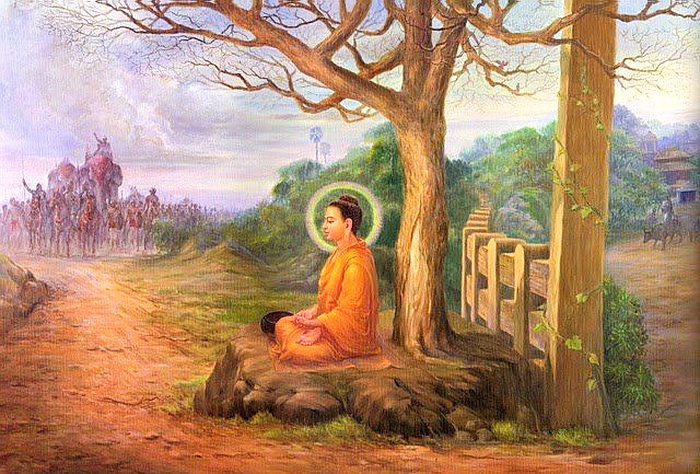
එ දවස අලුයම් වේලෙහි ලොව බලා වදාරන මාගේ සවාමිදරු වූ සම්මා සම්බුදුරජානන් වහන්සේට නෑයන්ට වන්නට යන මේ විනාශය දක්නට ලැබින. මා, මේ වේලෙහි නෑයන්ට සංග්‍රහ කරන්නට වටී ය’ යි පෙරවරුයෙහි සිඟා වලඳා අවසන් කොට ගඳකිළියෙහි සැතපී ඉඳ සවස්වේලෙහි අහසින් වැඩ කිඹුල්වත අසල තුනී සෙවන ඇති එක් ගසක්මුල වැඩ හුන් සේක. විඩූඩභයාගේ රාජ්‍ය සීමාව අසල ගනසෙවන ඇති ලොකු නුගගසෙක් ඇත්තේ ය.

විඩූඩභයා බුදුරජුන් දැක ලඟට ගොස් වැඳ ‘ස්වාමීනි! මොකද මේ, තද අව්වේ තුනී සෙවන ඇති ගසමුල වැඩහුන් සේක්, මේ හොඳට සෙවන ඇති නුගගසමුල වැඩ හිඳිනු මැනැවැ’ යි කී ය.
‘මහරජ! එසේ වේවා, නෑයන්ගේ සෙවන සිහිල් ය’ යි වදාළ කල්හි ‘නෑයන් රකින්නට වැඩි සේක් වනැ’ යි සිතා බුදුරජුන් වැඳ පෙරළා සැවැත්නුවරට ම ගියේ ය.


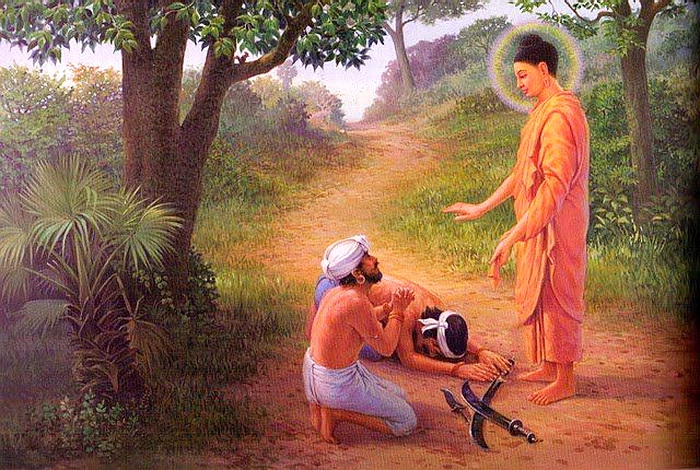
බුදුරජානන් වහන්සේ ද අහසින් දෙව්රමට වැඩි සේක. නැවැතත් විඩූඩභ තෙමේ ශාක්‍යයන් කළ වරද සිහි කොට දෙවන තෙවනවරත් නික්ම ආයේ ද, බුදුන් දැක පළමු සේ පෙරළා ගියේ ය. එහෙත් සතරවනවර ද නැගී ආයේ ය. එකල බුදුරජානන් වහන්සේ ශාක්‍යයන් පෙර කළ කර්‍ම බලා වදාරන සේක්, ඔවුන් පෙර එක් අත්බවෙක කුඩමස්සන් මරන්නට ගඟක විෂ, වෙඩි බැහූ බවත් එය වළකන්නට බැරි පාපකර්‍මයක් බවත් දැක සතරවනවර එහි නො වැඩි සේක.

මෙහි සඳහන් වන කාරණය කියවන ඕනෑම කෙනෙකුට වටහා ගත හැකියි, මේ කතාවට අනුව එදා බුදුන් වහන්සේ විසින් සිදු කළා යයි පැවසෙන ප්‍රකාශය සත්‍ය වශයෙන්ම සිදු කළ එකක් නම්, එසේ පවසා ඇත්තේ සම්‍යක් ප්‍රයෝගයක් ලෙසට බව. නමුත් මෑතදී ඒ ප්‍රකාශය, අවභාවිතා කරමින් අවියක් ලෙස යොදාගත්තේ මනුෂ්‍යයන් තුල වෛරය වැපිරීම සඳහායි.
2019 ශ්‍රී ලංකාව තුල ඇතිවීමට ගිය විශාල ආගම් වාදී අරගලය උද්දීපනය කිරීමට අවභාවිතා කළ, ‘කිඹුල් වතින් එන සුළඟත් සනීපයි’ යනුවෙන් වැකිය සඳහන් වෙන සූත්‍රයක් හෝ ගාථාවක් හෝ ජාතක කතාවක් හෝ ගැන, ඒ පහත් ක්‍රියාව මෙහෙය වූ සහ අනුමත කළ බහුතර ස්වාමීන් වහන්සේලාවත් නොදැන සිටියහ.
බහුතර බෞද්ධ පිරිසද එවැනි වෛරී සහගත අදහස් පිලිගැනීමට සහ අනුමත කිරීමට තරම් අඥාන වූයේ තමන් අදහන ශාස්තෘන් වහන්සේ ගැන කිසිදු අවබෝධයක් ඔවුන් තුල නොමැති වීම නිසා සහ ඒ ශාස්තෘන් වහන්සේගේ ශ්‍රාවකයෙකු වීම සඳහා අත්‍යාවශ්‍ය ආකාරවතී ශ්‍රද්ධාව ඔවුන් තුල නොමැතිවීම නිසයි.

බුදුන් වහන්සේ විසින් මීට වසර දහස් ගණනකට උඩදී සිදුකලා යයි ධම්ම පදයේ සඳහන් වන ‘මහරජ! එසේ වේවා, නෑයන්ගේ සෙවන සිහිල් ය’ යන ප්‍රකාශයේ අරමුණ පවා වෙනස් කර බුදුන් වහන්සේ ද තම රට රැකීමට පෙරමුණ ගත්තා, ඒ නිසා අපිද අපේ රට පිට ආගමිකයන්ගෙන්, පිට ජාතීන්ගෙන් රැකගතයුතුය යනුවෙන් මුලු බෞද්ධ සමාජයේම මනස විකෘර්ති කළ ‘කිඹුල් වතින් එන සුළඟත් සනීපයි’ යන වැකිය සමාජ ගත කළේ තමන්ගේ අභිලාශයන් උදෙසා බුදුන් වහන්සේව අවභාවිතා කරමින් සහ බුදුන් වහන්සේගේ ඉගැන්වීම විකෘර්ති කරමිනි.
ත්‍රිපිටකයේ සඳහන් පාලි සූත්‍ර සිංහලට පරිවර්ථනය කිරීමේදී බොහෝ අඩුපාඩු සිදුවී තිබෙන බව ධර්ම අවබෝධය හා පාලි දැනුම තිබෙන කෙනෙකුට හොඳින් අවබෝධ වෙන කරුණක්. අඩුම තරමින් අනිච්ච-දුක්ඛ-අනත්ත යන වචන තුන වත් නිවැරදි ආකාරයට අර්ථ කථනය කරගැනීමට නොහැකි වී තිබෙනවා. සෑම කෙනෙකුම අනිකාගේ වැරදි පෙන්වමින් තම තමන්ගේ පිරිස් ගොඩ වැඩිකරගැනීමේ අරමුණෙන් සිදුකරන විවිධාකාර ධර්ම විකෘර්ති කිරීම් නිසා ඒ ඒ අය විසින් විශාල ලෙස අකුසල් රැස් කර ගන්නා ආකාරය හොඳින් විද්‍යමාන වෙනවා.
එසේ නම් තේරුම් ගත යුතුයි වර්ථමාන ධම්ම පද අටුවා කතා වලට අත්වී ඇති ඉරණම කුමක්දැයි යන වග.
බුදුන් වහන්සේ වැඩ සිටි කාල වකවානුව අද වනතෙක් නිශ්චිතව තීරණය කර ගැනීමට නොහැකි වී තිබෙනවා. එසේ නම් ධම්ම පද අටුවා කථා ගැන කියනුම කවරේද?

ත්‍රිපිටකයේ දහස් ගණන් තිබෙන සූත්‍ර වල සඳහන් සියලුම දේශනා තුලින් බුදුන් වහන්සේ දේශනා කර තිබෙන මෛත්‍රිය, කරුණාව, මුදිතාව, උපේක්ෂාව ගැන හෝ තමන්ගේ කය සහ සිත වත් මගේ යයි උපාදානය කරගන්න එපා යයි සිදු කළ අනුශාසනා ගැන හෝ වෙනුවට ධම්ම පදයේ සඳහන් වෙන ගාථා 423 ක් අතරින්, එක ගාථාවක නිදාන අටුවා කතාවක පේලි දෙකකින් කියවෙන දෙයක් පමණක් ඉස්මතු කරගනිමින් පසු ගිය වසර 3-4 කට උඩදී සිදුකරගත් විනාශයන්ට හේතු වී තිබෙන්නේ ධර්මය කියවා දැනගැනීමට නොහැකි වූ නිසා නොව කියවූ ධර්මයෙන් තමන්ගේ අභිමතාර්ථයන් ඉෂ්ඨ කරගැනීම උදෙසා තමන්ට අවශ්‍ය ආකාරයට විකෘර්ති කර ගැනීමට හැකි කොටස් පමණක් ඉස්මතු කර ගැනීම නිසා බව තේරුම් ගත යුතුය.

“න අත්තහෙතු න පරස්ස හෙතු
න පුත්තමිච්ඡෙ න ධනං න රට්ඨං
න ඉච්ඡෙය්‍ය අධම්මෙන සමිද්ධිමත්තනො
ස සීලවා පඤ්ඤවා ධම්මිකො සියා”

තමන්ගේ හෝ අනුන්ගේ හෝ
අවිද්‍යාව නිසා මගේ යයි අල්ලා ගත් පුත්‍රයන්ගේ හෝ
අයිති දේවල හෝ රටේ හෝ
අභිවුර්ධිය උදෙසා
වැරදි නරක හිංසා ක්‍රියා සිදු කිරීමට නොපෙළඹෙන
ඔහු ශීලවන්ත, ප්‍රඥාවන්ත, ගුණවන්ත කෙනෙක් වන්නේය.

~පණ්ඩිත වග්ගය- ධම්ම පදය

නමුත් මෙවැනි බෞද්ධයන් විසින් බුදු හාමුදුරුවන්ට සිදුකරන අගෞරවය තරම්, ඉන් සියයෙන් කොටසක් වත් වෙනත් ආගම් වල පූජ්‍ය පක්ෂය ඔවුන්ගේ ශාස්තෘන් වහන්සේලාට තබා බුදුන් වහන්සේට හෝ සිදුකරන බවක් නම් දකින්න ලැබෙන්නේ නැහැ. මෙලෙස බුදුන් වහන්සේගේ ධර්මය ලෝකයා ඉදිරියේ අවඥාවට ලක් කරමින් හැසිරෙන්නේ බෞද්ධයන් යයි කියාගන්නා බහුතර ගිහි පැවිදි දෙකොටස මිස වෙනත් කිසිම ආගමිකයෙක් නම් නොවේ. නමුත් දැඩි අන්තවාදී ආගමික පිරිස් හැරුණු විට අනිකුත් සියලුම ආගමිකයන් බුදුන් වහන්සේට ගෞරව කරන බව දැකගැනීමට හැකි කාරණයක්. ඒ ඔවුන් සලකන්නේ බුදුන් වහන්සේගේ නිවුණු සැනසුණු ස්වභාවයටයි.

වර්ථමානයේ දකින්නට ලැබෙන තවත් අතිශය ඛේදනීය කාරණයක් වන්නේ බුදුන් වහන්සේගේ ධර්මය ප්‍රධාන පෙලේ වෙළඳ භාණ්ඩයක් බවට පත්වී තිබීමයි.
නිවී සැනසීම සඳහා දේශනා කළ බුදුන්ගේ ධර්මය, නොයෙකුත් මාධ්‍ය ඔස්සේ මෙන්ම, පදික වේදිකාවේ භාණ්ඩ අලෙවි කරන ආකාරයටම අන්තර් ජාලය ඔස්සේ විවිධ ගිණුම් හරහා ප්‍රචාරය කරන්නේ ආරම්භයේදී මෙන්ම අතරමැදදී ද දැන්වීම් ප්‍රචාරය කරමින්ය. ඒ දැන්වීම් අතර කාන්තාවන්ගේ සනීප ආරක්ෂක තුවා ප්‍රවර්ධනය වැනි වූ දැන්වීම්ද ප්‍රචාරය කිරීම මොන තරම් ඛේදනීයද? වර්ථමානයේ ජනප්‍රිය පැවිදි පාර්ශවය මෙන්ම සමාජයේ සිල්වතුන් මෙන් පෙනී සිටින ගිහි පාර්ශවයේද ප්‍රධාන යැපීම් මාර්ගය වී තිබෙන්නේ බුදුන්ගේ ධර්මය අලෙවි කිරීමයි. ඒ ගිහි සහ පැවිදි පිරිස්, එක් අයෙකුට විවිධ නම් යටතේ ගිණුම් කීපය බැගින් පවත්වා ගනිමින් බුදුන්ගේ ධර්මය යයි ඔවුන් විසින් කට පාඩම් කරගත් කුමක් හෝ පවසමින්, වෙළඳ දැන්වීම් තුලින් මුදල් උපයීම සිදුකරන්නේ කර්මය හෝ කර්ම ඵලය ගැන අබමල් රේණුවක හෝ තරම් තැකීමක් නැති තරමට හිරි ඔත්තප්ප දෙකෙන් තොරවීම නිසා සහ ඔවුන්ට අඩුම වශයෙන් ලෞකික සම්මා දිට්ඨිය හෝ නැති නිසා බව, විද්‍යාමාන වන කරුණකි.
අද ඇෆ්ගනිස්ථානයේ තලෙයිබාන් කල්ලි විසින් සිදුකරන්නේද ඔවුන් විසින්ම මීට වසර 22 කට පෙර විනාශ කළ බාමියන් බුදුපිලිම වහන්සේලා, වර්ථමානයේ සංචාරකයන්ට ප්‍රදර්ශනය කරමින් මුදල් ඉපයීමයි.

ඔවුන් සියල්ලන්ටම වපුරන දේ අනුව අස්වැන්න නෙලාගැනීමට සිදුවනු ඇත. ඔවුන් දැන දැන වපුරන දේ, ඔවුන් මෙන්ම යම් යම් ලාභ අපේක්ෂාවෙන් ඔවුන් වටා සිටින පිරිසද නෙලා ගන්නවා සේම, කිසිදු අවබෝධයකින් තොරව ධර්මය සොයමින් ඔවුන් පසු පස යන තවත් අහිංසක පිරිසකටද නෙලාගැනීමට සිදුවන්නේය. දැන කළද, නොදැන කළද විපාකය තීරණය වන්නේ අකුසල චෛතසිකයේ ප්‍රමාණය අනුවයි. වපුරන කෙනා හට අවිචි මහ නරකාදියෙන් මෙහාට ගැලවීමක් නැති වන විට, නෙලා ගත් කෙනා හට තිරිසන් ලෝකයෙන් මෙහාට වත් ගැලවීමක් තිබේද යන්න සැක සහිතය.

“අනික්කසාවො කාසාවං යො වත්‍ථං පරිදහෙස්සති
අපෙතො දමසච්චෙන න සො කාසාවමරහති”

පඬුපොවන ලද වස්ත්‍රයක් හැඳගත් රාග ද්වෙශාදී කෙලෙස් වලින් තොර නොවූ කෙනා චතුරාර්ය සත්‍ය අවබෝධය සඳහා තම ඉන්ද්‍රියයන් දමනය කිරීම නොකරන්නේ නම්,
ඒ ඔහු කසාවත් දැරීමට සුදුසු වන්නේ නැහැ.

~යමක වග්ගය-ධම්ම පදය

බාහිතපාපො’ති බ්‍රාහ්මණො සමචරියා සමණො’ති වුච්චති.
පබ්බාජයත්තනො මලං තස්මා පබ්බජිතො’ති වුච්චති.

අකුසල් බහා තැබූ, සන්සුන් ධාර්මික උතුම් පැවැත්මක් ඇත්තාට
ශ්‍රමණයා යයි කියනු ලැබේ.
ගිහි ගෙයින් නික්මී වසන, කෙලෙස් මලින් පිරි කෙනාට පැවිද්දා යයි කියනු ලැබේ.

~බ්‍රාහ්මණ වග්ගය- ධම්ම පදය

අසතං භාවනමිච්ඡෙය්‍ය පුරෙක්ඛාරඤ්ච භික්ඛුසු
ආවාසෙසු ච ඉස්සරියං පූජා පරකුලෙසු ච.

සිහි නුවණින් කටයුතු නොකරන, මෙනෙහි නොකළ යුතු දේ මෙනෙහි කරන,
භික්ෂූන් පිරිවරා ඉන්න පැවිද්දා, පන්සල්වලද, අනුන්ට පූජා කරන දේවලද, අධිපතිකම අපේක්ෂා කරනවා.

මමෙව කත මඤ්ඤන්තූ ගිහී පබ්බජිතා උභො
මමෙව අතිවසා අස්සු කිච්චාකිච්චෙසු කිස්මිචි
ඉති බාලස්ස සංකප්පො ඉච්ඡා මානො ච වඩ්ඪති.

මේ සියල්ල මා විසින්ම කරන ලදැයි ගිහි-පැවිදි දෙකොටසටම හැඟිය යුතුයි.
ලොකු හෝ කුඩා කිසියම් ඕනෑම කටයුත්තක් වුවද මා විසින්ම කළ යුතුයි.
මෙලෙස මේ අඥානයා ගොඩනගා ගන්නා සිතිවිලි නිසා ඔහු තුල තෘෂ්ණාවද, මානයද තව තවත් වැඩෙනවා.

~බාල වග්ගය – ධම්ම පදය

බුදුන් වහන්සේ සහ බුදුන් වහන්සේ දේශනා කළ ධර්මය අවභාවිතා කරන රටක් හා ජාතියක් ලොව ඇත්නම් ඒ මා දන්නා තරමින් ශ්‍රී ලංකාව සහ බහුතර ගිහි-පැවිදි සිංහල බෞද්ධයන්ය.

බුදුන් වහන්සේගේ ධර්මය මෙතරම් විකෘර්ති වී ඇති යුගයක නිවැරදි ධර්මයක් කෙසේ තෝරාගන්නද?

මා විසින් මෙවැනි පොතක් ලිවීමට තීරණය කළේත්, ඒ සඳහා තෝරාගත් සූත්‍ර තිස් හතක් පරිවර්තනය කරන ලද්දේත්, පසුගිය වසර 4-5 ක් පුරා බෙෳද්ධයන් යයි හඳුන්වාගන්නා බොහෝ ගිහි පැවිදි පිරිස් හැසිරෙන ඛේදනීය තත්වය දැක මා තුල ඇතිවූ ධර්ම සංවේගය නිසාමය. මේ සිදුවීම් දෙස ඉතා හොඳින් නිරීක්ෂණය කළ මට හැඟුනේ, බෞද්ධයන්ගෙන් බහුතරයක් ඔවුන් තුල කිඳාබැස සිටින දැඩි තෘෂ්ණාවට අනුව ගොඩනැගුණු ආකල්ප වලට ගැලපෙන ධර්මය යයි කියා කුමක් හෝ පවසන දේශකයින් වටා එක්රොක් වෙමින් තමන්ගේ කරගත් කල්ලි ගොඩනගා ගෙන ගොඩනැගිලි සහ විසිතුරු දේ සඳහා හැකිතරම් මුදල් සම්මාදම් කරමින්, ඔවුන්ට මෙන්ම පැවිදි සමාජයටද සතර අපාය කරා යාම සඳහා මාර්ගය සකසමින් සිටින බව සහ ඉතා ස්වල්ප දෙනෙක් පමණක් සත්‍ය වූ බුදු දහම සොයමින් ඉබාගාතේ ඇවිදිමින් නොයෙක් දෙනා පසුපස යමින් අසරණ වී සිටින බවත්ය.

ඒ නිසාම හැකි ආකාරයෙන්, බුදුන් වහන්සේගේ සත්‍ය ධර්මය යනු කුමක්දැයි, පෙන්වාදීමට කටයුතු කළ යුතු බවට මම අධිෂ්ඨාන කර ගත්තෙමි.
එදින සිට ‘අති පූජණීය පිරිත් පොත් වහන්සේ’ සම්පාදනය කර අවසන් කිරීම දක්වා දෙවියන්ගෙන් ලැබුණේ ඉතා විශාල උපකාරයකි. විශේෂයෙන් සිහිපත් කළ යුතුයි, කෙනෙක් බුදුන් දුටුව දා සිට දෙවියන් ඇදහීමක් හෝ දෙවියන්ගෙන් කිසිදු පිහිටක් හෝ උපකාරයක් අයදින්නේ නැති බව. බුදුන් දුටුව දා සිට නිවන් මාර්ගයේ යන ඕනෑම පින්වතෙකුට ධර්මය එළිදැක්වීම සඳහා දෙවියන් උපකාර කරන්නේ ඒ ධර්මය ඔවුන්ටද දැන ගැනීමට ඇති උනන්දුව නිසාය. එය ත්‍රිපිටකය තුලින්ද සහතික වෙන කාරණයකි. විශේෂයෙන්ම ශක්‍ර දෙවියන් සිල්වතුන්ට නමස්කාර කරන බව දැනගත යුතුයි.

බුදුන් වහන්සේ විසින් තම ගිහි හෝ පැවිදි ශ්‍රාවකයෙක් ලෙස හඳුන්වනු ලැබුවේ කුමන ආකාරයේ ගති ලක්ෂණ, හැසිරීම් සහිත පුද්ගලයෙකුට දැයි මුනි සූත්‍රය, නාලක සූත්‍රය, වාසෙට්ඨ සූත්‍රය, ගුහට්ටක සූත්‍රය, ශාක්‍ය කෝලිය දිය දබරය, ආලවක සූත්‍රය, ආමගන්ධ සූත්‍රය, කසී භාරද්වාජ සූත්‍රය, පුරාභේද සූත්‍රය, සල්ල සූත්‍රය, මොනෙය්‍ය සූත්‍රය යන සූත්‍ර කියවා වටහා ගැනීමට ධර්මය ගැන නොදන්න ඕනෑම ආගමක ජාතියක කුලයක මනුෂ්‍යයෙකුට හැකියාව ලැබෙනවා.

ඒ අනුව වටහා ගත යුතුයි, බුදුන් වහන්සේ දේශනා කළ ධර්මය අසා දැන ගෙන ඒ අනුව කටයුතු කරන කෙනෙකු පමණක් බුදුන් වහන්සේගේ ශ්‍රාවකයෙකු වනවා මිස බෞද්ධයෙකුයයි හඳුන්වා ගත් පමණින් බුදුන් වහන්සේගේ ශ්‍රාවකයෙකු වීමට නොහැකි බව.
“එයට හේතුව නම් බුදුන් වහන්සේ බෞද්ධයෙකු නොවන නිසයි”.

“ගාථාභිගීතං මෙ අභොජනෙය්‍යං,
සම්පස්සතං බ්‍රාහ්මණ නෙස ධම්මො
ගාථාභිගීතං පනුදන්ති බුද්ධා,
ධම්මෙ සතී බ්‍රාහ්මණ වුත්තිරෙසා”

ලාභ ලැබීමේ අරමුණෙන්, ධර්මය පවසා, ලබා ගන්න ආහාර මට කැප නැහැ, ප්‍රඥාවන්තයා ඒ ධර්මය ඒ ආකාරයට සලකන්නේ නැහැ.
විපතට වැටෙන්න නොදී රක්නා චෛතසිකය ඇති බුදු වරු, ලාබ සත්කාර ලැබීම සඳහා ධර්මය දේශනා කිරීම දුරු කළ, යහපත් උසස් පැවතුම් ඇති අයයි.

~කසීභාරද්වාජ සූත්‍රය

එසේ නම් ත්‍රිපිටකයේ මේ සූත්‍ර ගැන දැනුමක් ඇති විශේෂයෙන් බහුතර පැවිදි සමාජය ඇතුළු ගිහි සමාජය තුල අද ඇතිවී තිබෙන පිරිහීමට හේතුව කුමක් විය හැකිද?

මෙයට විශේෂ හේතුවක් වශයෙන් සැලකිය හැකි එක කාරණයක් නම් ඒ ඔවුන් තුල පවතින තණ්හා-දෘෂ්ඨි-මාන වල දැඩි බව නිසා උපතින් උරුම වූ ආගමද අනිකුත් සියලුම මගේ යයි කියාගන්නා දේවල් ලෙසින්ම දැඩිව උපාදානය කරගනිමින් තමන්ට රිසිසේ අවභාවිතා කිරීම නිසා ඔවුන්ව අභිසංස්කාර මාරයාගේ ග්‍රහණයට හසුවී තිබීමයි. ඒ නිසා ඔවුන්ට ඒ ඔවුන්ගේ ශාස්තෘන් වහන්සේ කවුදැයි නිවැරදිව හඳුනා ගැනීමට පවා නොහැකි වී තිබෙනවා. ඒ ශාස්තෘන් වහන්සේ ධර්මයෙන් උගන්වා ඇති දේ විශ්වාස කිරීමට අවශ්‍ය නොවෙන තත්වයට ඔවුන්ව පත් වී තිබෙනවා.
ඔවුන් විසින් සිදු කරන අකුසල ක්‍රියා වලට ඒ මොහොතේම විපාක නොලැබීම නිසා කර්මය සහ කර්ම ඵල හෙවත් විපාක ගැන විශ්වාස නොකරමින්, අවිද්‍යාවෙන් අන්ධව ලෞකික සම්මා දිට්ඨයෙන්ද තොරව කටයුතු කරමින් සිටිනවා.

“පාපො’පි පස්සති භද්‍රං යාව පාපං න පච්චති
යදා ච පච්චති පාපං අථ පාපො පාපානි පස්සති”

කෙනෙකු විසින් කරන පාපී ක්‍රියා වලට දුක් විපාක විඳීමට නොලැබෙන තාක් කල් ඔහු ඒ පව් කම් දකින්නේ සැපයි සුබයි ලෙස.
ඔහුට එහි දුක් විපාක ලැබෙන්න පටන් ගත් දා සිට තමයි ඔහු දකින්නේ ඔහු විසින් සිදුකළ ඒ පාප ක්‍රියා වල බරපතල බව.

~පාප වග්ගය- ධම්ම පදය

සිදු කරන පව් වලට හෝ පින් වලට කල් ගතවී විපාක ලැබීමට හේතුව කුමක්ද?

කසාවතක් දරමින් මහණ දම් පුරන්නට ලැබෙන්නේ, පෙර ජීවිත වල රැස් කරන ලද අප්‍රමාණ කුසල් සම්භාරය හේතුවෙනි. කිසිදු අඩුවකින් තොර ශරීර අංග ඇති මනුෂ්‍ය ජීවිතයක් ලැබ යහපත් භූමියක උපත ලැබීමට වාසනාව ලැබෙන්නේද, ධනයෙන් හෝ බලයෙන් හෝ වත්කමෙන් හෝ පිරිස් බලයෙන් හෝ උගත් කමෙන් හෝ යම් කිසි හැකියාවකින් හෝ ඒ කිහිපයකින් හෝ ඒ සියල්ලෙන්ම හෝ පරිපූර්ණ වන්නේද, පෙර ජීවිතවලදී රැස්කරන ලද අප්‍රමාණ පින් සහ කුසල් සම්භාරයන් හේතුවෙනි.

ඒ නිසා ඒ කුසලයේ බලය පැවැත්වෙන තාක් කල් සහ පින ගෙවී අවසන් වන තෙක්, දැන් ඔවුන් විසින් සිදුකරන පාප ක්‍රියාවල විපාක වලට ඔවුන් වෙතට පැමිණෙන්න ඉඩක් ලැබෙන්නේ නැහැ. නමුත් යම් දවසක මේ ජීවිතය තුලදීම හෝ මරණාසන්න මොහොතේදී හෝ ඊළඟ ජීවිතයේදී හෝ තමන් තුල තිබූ කුසල් සහ පින් ගෙවී අවසන් වූ වහාම, මෙතෙක් කාලයක් තම වාරය එනතුරු බලාගෙන සිටි අකුසල් විපාක, ඔහු කරා පැමිණෙන්නේ පිරුණු ජලාශයක වාන් දොරටු විවෘත කළ වහාම ජලය පහලට ඇද හැලෙන තරම් වූ වේගයෙනි.

“න අන්තලික්ඛෙ න සමුද්දමජ්ඣෙ
න පබ්බතානං විවරං පවිස්ස
න විජ්ජතී සො ජගතිප්පදෙසො
යත්‍ථඪිතො මුච්චෙය්‍ය පාපකම්මා”.

අහසෙහි හෝ සමුද්‍රය මධ්‍යයේ හෝ ගල් ගුහාවක හෝ
වෙනත් කිසිම භුමි ප්‍රදේශයක් නැහැ,
කෙනෙකුට තමන් සිදුකල පාප ක්‍රියාවෙන් නිදහස් වී සිටීමට.

~පාප වග්ගය- ධම්ම පදය

නමුත් අද වර්ථමානයේ තමන්ව සම්මා දිට්ඨික මිනිසුන් යයි හඳුන්වාගන්නා සමහර සිංහල බෞද්ධයන් සිදුකරන පිංකම් දෙස නුවණින් කල්පනා කළහොත් අවබෝධ කරගැනීමට හැකිවෙනවා, ඔවුන් විසින්ම මිත්‍යා දෘෂ්ඨිකයන් යයි හඳුන්වන අන් ආගමික හෝ අන්‍ය ජාතීන් සිදුකරන පිංකම් වලටත් වඩා තමන් විසින් සිදුකරන පිංකම්, ගෞරවයෙන් සහ බුද්ධිමත් බවින් ඉතා පහල මට්ටමක පවතින බව.

වර්ථමානයේ ඉතාමත් පූජණීය පුණ්‍ය භූමි වල මෝස්තරයට මෙන් සිදුකෙරෙන විශාල පිංකම් වලට පසු ඒ ස්ථාන පිරිසිදු නොකිරීම නිසා සහ ඒ ඒ ස්ථාන වල ගොඩගැසෙන කැලි කසල නිසා ඒ පරිසරයන් වලට සහ එහි වෙසෙන සත්ව ප්‍රජාවන්ට විශාල ලෙස හානි සිදු වෙනවා. ඒ ගැන නොසළකා හැර සිදු කරන පිංකම් නිසා තමන්ට සිදුවන අකුසලය ගැන නොතැකීමද අවිද්‍යාවයි. ගමේ පන්සල හෝ විහාරයේ සිදුකරන දානමය පිංකම් වලින් පසුව ඒ ස්ථානයන් පිරිසිදු නොකිරීම නිසා ඒ ස්ථාන වල මීයන්, කැරපොත්තන් වැනි සතුන් බෝවීමට ඉඩහැරීමෙන්ද තමන් සිදුකරගන්නේ අප්‍රමාණ අකුසලයක් බව නොදැනීමද අවිද්‍යාවයි.

සංඝ රත්නය උදෙසා පිරිනමන දානයේ ආහාර පාන මෙන්ම ස්වාමීන් වහන්සේලාද, ඡායාරූප ගත කර අන්තර් ජාලයට මුදා හරින පිරිස් අඩුම තරමින් උන් වහන්සේලාගේ ආත්ම ගරුත්වය හෝ පුද්ගලිකත්වය ගැන හෝ සැළකීමක් කරන්නේ නැහැ.

තමන් සිදු කරන්නේ පුද්ගලික දානයක් වුවත්, ඒ සිවුර දරා සිටින්නේ දුසිල්වත් කෙනෙකු වුවත්, ඔහුටද ආත්ම ගෞරවයක් තිබෙන බව අමතක නොකළ යුතුයි. එය එසේ නම් බුද්ධ ප්‍රමුඛ මහා සංඝ රත්නයට පිරි නමන දානයකදී තමන් කොතරම් ගෞරවයකින් ඒ ආහාර පානාදිය පිරිනැමිය යුතු ද?
සාමාන්‍ය ගිහියෙකුට කරන උපකාරද ප්‍රසිද්ධියේ සිදුකිරීමෙන් හෝ ඡායාරූප ගත කරමින්, වීඩියෝ කරමින් අන්තර් ජාලයට මුදාහැරීමෙන් හෝ සිදුකරන්නේ ඒ දානය ලබන ලද තැනැත්තාගේ හෝ ඔවුන්ගේ පවුලේ සාමාජිකයන්ගේ ආත්ම ගෞරවය සහ පුද්ගලිකත්වය කෙලෙසීමකි. තවද ඒ දායකයා වන තමන්ගේ වත් පොහොසත් බව, සමාජ තත්වය, හෝ ත්‍යාගශීලී භාවයත් ග්‍රාහකයාගේ අසරණ බව, කුලෑටි බව, හෝ දුගී දුප්පත් භාවයත් පෙන්වමින් සිදුකරන්නේ තමන් විසින් තමන්ව රවටාගැනීමකි.

ඊට හේතුව නම් වත්පොහොසත් කම හෝ දුගී අසරණ බව හෝ සදාකාලික නැති බව නොදන්නා අවිද්‍යාවයි. තමන්ගේ මාන්නය සහ අවිද්‍යාව අනුව ක්‍රියාකිරීම නිසා ඒ දානමය පිංකමෙන් ලබාගත හැකි වටිනා ආනිශංස ද තමන්ට අහිමි කරගන්නා බව නොදැන සිටීමද අවිද්‍යාවයි.

දානය යනු අතහැරීමකි. එය ඡායාරූප ගතකර අන් අයට පෙන්වනවා නම් එහි අතහැරීමක් සිදුවන්නේ කෙසේද? එනම් ඒ දානය බුද්ධියෙන්ද හීන වී ඇත.
වර්ථමානයේ සිදුකරන ගෞරවයෙන්ද, බුද්ධියෙන්ද, මනුෂ්‍යත්වයෙන්ද හීන වූ දාන පිංකම් නිසා තමන්ට පිං අත්වෙනවා යයි කෙනෙක් සිතනවා නම් ඒ කෙනා තමන්වම රවටා ගන්නා කෙනෙකි. එනම් තණ්හාව මුල් කරගනිමින් සිදුකරන එවැනි දානමය පිංකම් නිසා අප්‍රමාණ අකුසල් සම්භාරයක් රැස්කර ගන්නා බව නොදැන සිටීමෙන් තමන් හට සිදුවන්නේ තව තවත් අවිද්‍යාවේම බැසගැනීමටයි.
තමන් දුන් දේ සසරේ කවරදාකදී හෝ ලැබෙන බව ඒකාන්තයෙන්ම සිදුවනවා සේම තණ්හාව මූලික කරගනිමින් මෙවැනි ආකාරයට සිදුකරන දානාදී පිංකම් නිසා තමන්ට සුගතියක් අත් නොවන බවද ඒකාන්ත වෙනවා.

“මේ මොහොතේ මෙවැනි දානමය පුණ්‍ය ක්‍රියාවක් සිදුකිරීමට තරම් මා හට මනුෂ්‍ය ජාතියක්ද, කුසල චෛතසිකයක්ද, ආර්ථිකයක් හැකියාවක්ද ලැබුනේ පෙර ජීවිත වලදී මා විසින්ම ගොඩනගා ගන්නා ලද යහපත් සිතිවිලි නිසා මෙන්ම සිදුකර තිබූ දානමය පිංකම් නිසා බවත්, මේ අන්‍යන්ගේ උපකාරයක් ලැබීමට සිදුවී ඇති තැනැත්තාට එවැනි ඉරණමකට මුහුණ දීමට සිදුවී ඇත්තේ ඔහු පෙර ජීවිත වලදී දන් දීම් පිංකම් සිදු නොකළ නිසා හෝ ඒ සිදුකළ ක්‍රියාවක් නිවැරදිව සිදුනොකළ නිසා බවත්” මෙනෙහි කරමින් තව තවත් සිත පහදවාගෙන නිහතමානීව ඒ දානමය පිංකම් සිදු කළ යුතුයි.
එලෙස අවිද්‍යාවෙන් සහ මාන්නයෙන් තොරව ප්‍රඥාව මුල්කරගෙන සිදුකරන දානමය පිංකම් නිසා සුගතිගාමී වීමටත්, නිවන් අවබෝධ කරගැනීමටත් මග සැලසෙන මහත් ඵල මහානිශංස අත්වේ.

යස්ස දානෙන සීලෙන සංයමෙන දමෙන ච,
නිධී සුනිහිතො හොති ඉත්ථියා පුරිසස්ස වා.

මානුස්සිකා ච සම්පත්ති දෙවලොකෙ ච යා රති,
යා ච නිබ්බාන සම්පත්ති සබ්බමෙතෙන ලබ්භති.

තමන්ගේ අත්හැරීමේ ගුණය-සිල්වත් බව-සිත කය වචනය දමනය කර සංවර කර ගැනීම තමයි, ගැහැණියකට හෝ පුරුෂයෙකුට, මතුවටත් පිහිටක් ලෙස රැස්කර, මනාව තැන්පත් කරගත හැකි නිධානයක් වන්නේ.

මනුෂ්‍ය භාවයක් ලැබීමත්, දිව්‍ය සැප සම්පත් ලැබීමත්,
නිර්වාණ සම්පත්තිය ලබාගැනීමට ලැබීමත්, යන මේ සියල්ල මේ පුණ්‍ය නිධානයේ ආනුභාවයෙන් ලබන්නට හැකිවෙනවා.

~නිධිකණ්ඩ සූත්‍රය

මීට කලකට පෙර ධර්ම පොත් ලියමින් මුදලට අලෙවි කළ, තමන් රහතුන් යයි කියාගත්, සිල්වතුන් යයි කියාගත්, පැවිදි පිරිස් වලට අත්වී ඇති ඛේදණීය ඉරණම අද වර්ථමානයේ දකින්නට ලැබෙනවා. සමහරුන් මනස අවුල්වූ ආකාරයට හැසිරෙන බව දකින්නට හැකිවෙනවා. තවත් සමහරුන්ට එදා තිබුණු ගෞරවය අහිමි වී තිබෙන බව දකින්නට හැකිවෙනවා.

2019 බුදුන්වහන්සේටත් බුදුන් වහන්සේගේ ධර්මයටත් අගෞරව කරමින්, වරක් වැන්දොත් සියලු පවු දුරුවෙනවා යයි පැවසූ බුදුන් වැඩියායයි සැලකෙන පුණ්‍ය භූමිය කෙළෙසමින් සිදුකළ සහ ඊට අනුබල දුන් සියල්ලටම අවසානයේ අත්වූ ඉරණම ගැන නැවත නැවත ලියා විග්‍රහ කිරීමට අවශ්‍ය නොවන්නේ එය ඉතිහාසයේ කළු අකුරෙන් ලියවී ඇති නිසාය. බුදුන්ගේ නම විකුණමින් සිදුකළ ඒ ගරුක අකුසලයේ විපාකය දිට්ඨ ධම්ම වේදනීය ගෙවන්න සිදුවුනා සේම සංසාරයේ තව බොහෝ කාලයක් සතර අපාගත වෙමින් ගෙවීමට සිදුවනු නොඅනුමානය.

එසේනම් නුවණින් අවබෝධකරගන්න, කෙදිනක හෝ විපාකය ලබාදීමට බලාපොරොත්තුවෙන් ඒ ඒ කෙනා විසින් සිදුකරණ ලද ක්‍රියාව හා සමාන ප්‍රතිඵලයක් ඒ සියලු දෙනාම පසුපස ඒකාන්තයෙන්ම ගමන් කරන බව.

එදා ඇෆ්ගනිස්ථානයේ පිහිටා තිබූ ඉතාමත් ඉහල වටිනාකමකින් යුතු බාමියන් බුදු පිලිම විනාශ කළ තලෙයිබාන් කල්ලිවලට, අද ඒ බුදු පිලිමවල ඉතිරි වී ඇති කොටස් නැරඹීමට පැමිණෙන සංචාරකයන්ගෙන් මුදල් අය කරමින් ඔවුන්ගේ බඩ වියත රැකගැනීමට සිදුවීමද ඒ සිදුකළ කර්මයට අනුව විපාක ලැබීමකි.

මොහොතකට නැවතී සිතන්න, අතීත අප්‍රමාණ කුසල් සම්භාරයක් නිසා ලැබුණු මනුෂ්‍ය උපත නැවත සතර අපාය වෙත තල්ලු කර ගන්නවාද කියා.

ප්‍රවර්ග
Articles

Is Buddha a Buddhist?

බුදුන් වහන්සේ බෞද්ධයෙක්ද?

කොහෙත්ම නැහැ.

ජීවිතය සතුටින් ගෙවන ආකාරය පෙන්වා දී ඇති බුදුන් වහන්සේගේ ඉගැන්වීම් අනුව
පිළිපැදීමට බෞද්ධයෙකු වීමට අවශ්‍ය වන්නේ නැත.

එසේනම් බෞද්ධයන් යනු කවුද?
බුදුන් දවස බෞද්ධයන් යනුවෙන් හඳුන්වා ගෙන තිබිය හැක්කේ, උපතින් වෙනත් විශ්වාසයන් අදහමින් සිටි, එහෙත් බුදුන් වහන්සේගේ ධර්මය අසා අවබෝධ කරගත් තැන් පටන් උන්වහන්සේගේ ධර්මයට අනුව හැසිරුණු මනුෂ්‍යයන් පිරිසක් විය හැකිය.

වර්ථමාන බෞද්ධයන් යනු බුදුන් දවස අවබෝධයෙන් බුදුන් සරණ ගිය උපාසක උපාසිකාවන්ගේ පරපුරෙන් පැවත එන, ඒ නිසා මවුපිය උරුමයෙන් ලැබෙන ආගමක් අදහන බෞද්ධ යයි හඳුන්වාගන්නා පිරිසක් වන නමුත් ඉන් ගිහි සහ පැවිදි බොහෝ දෙනෙක්ම ගෞතම බුදුන් වහන්සේගේ ධර්මය කුමක්දැයි නිවැරදිව අවබෝධ කරගත යුතු පිරිසක් බව ඔවුන්ගේ හැසිරීම් වලට අනුව දකින්නට ලැබෙන කාරණයක් වනවා.

බුද්ධාගම යනු පරම්පරාවෙන් උරුම කරගත හැකි ආගමක් වුවත්, බුදු දහම යනු සිහි නුවණින් යුතුව අසා දැන ගෙන නුවණින් මෙනෙහි කරමින් අවබෝධ කරගත යුතු බුදුන් වහන්සේගේ ඉගැන්වීමයි.
බුද්ධ ශ්‍රාවකයෙක් වන්නේ බුදු දහම ගැන අවබෝධයෙන් ධර්මයට අනුව තම ජීවිතය පවත්වා ගැනීමෙන් පමණක් වන අතර වර්ථමාන යුගයේ බෞද්ධයෙක් වන්නේ දෙමව්පිය උරුමයෙන් ලැබෙන ආගමක් ඇදහීම නිසා බව දැනගත යුතු වනවා.

එසේ නම් බෞද්ධයා බුදුන් සරණ ගිය ශ්‍රාවකයෙකු වන්නේ කෙසේද?
බුදුන් වහන්සේ පෙන්වා දී ඇත්තේ දේශනා කරන ලද ධර්මය හොඳින් ශ්‍රවණය කරමින් නුවණින් අවබෝධ කරගෙන ඒ අනුව ක්‍රියා කරන තැනැත්තාට පමණක් තමාගේ අනුගාමිකයෙකු විය හැකි බවයි.
තමන් දේශනා කළ ධර්මයට අනුව ක්‍රියා කරන ගිහි හෝ පැවිදි ශ්‍රාවකයකු වශයෙන් යම් පුද්ගලයකුට තිබිය යුතු ලක්ෂණ සහ හැසිරීම් මොනවාද යන්න පහත සූත්‍රවල ද පෙන්වා දී තිබෙනවා.
‘අති පූජණීය පිරිත් පොත් වහන්සේ’ තුල සඳහන් වන මා විසින් සිංහලට පරිවර්ථනය කර ඇති මුනි සූත්‍රය, නාලක සූත්‍රය, වාසෙට්ඨ සූත්‍රය, ගුහට්ඨක සූත්‍රය, ශාක්‍ය කෝලිය දිය දබරය, ආලවක සූත්‍රය, ආමගන්ධ සූත්‍රය, කසී භාරද්වාජ සූත්‍රය, පුරාභේද සූත්‍රය, සල්ල සූත්‍රය කියවන්න.
බුද්ධ දේශනාව ගැන නොදන්නා ඕනෑම ආගමක, ජාතියක, කුලයක කෙනෙකුට වුවද මෙම සූත්‍ර කියවා බුද්ධ ශ්‍රාවකයෙකු තම ජීවිතය ගත කළ යුතු ආකාරය තේරුම් ගත හැකි වනවා.

බුද්ධ ශ්‍රාවකයෙක් විසින් නුවණින් අසා දැනගත් ධර්මයට අනුව තම ජීවිතය හැඩගස්වා ගත යුතුයි.
ඔහු නොපෙනෙන ජීවියෙකුට හෝ හිංසා කරන්නේ නැහැ.
ඔහු ජීවිතය පවත්වා ගත යුත්තේ මනා ප්‍රඥාවෙන් යුතුව කටයුතු කරමිනි.
ඔහු ස්වභාව ධර්මයට ගරු කළ යුතු වන්නේ බුදුන් වහන්සේගේ ඉගැන්වීම ස්වභාව ධර්මයේ යථාර්ථය පිළිබඳ වන බැවිනි.

බුද්ධ දේශනාවට අනුව ඔබ පුරුදු පුහුණු වීමට පටන් ගත් මොහොතේ සිටම එහි ප්‍රතිඵල අත්විඳීමට හැකි වෙනවා.

ඔබ ඔබේ ඉන්ද්‍රියයන් නිරීක්ෂණය කරමින් ඔබේ සිතුවිලි දෙස නුවණින් බැලිය යුතු වනවා.
ඔබේ සිතුවිලි නුවණින් මෙනෙහි කරන්නේ නම් ‘තමන් කවුද’ යන්න නිවැරදිව හඳුනා ගැනීමට ඔබට හැකිවෙනවා.
ඔබ නුවණින් මෙනෙහි කළහොත්, ‘මගේ’ යැයි අල්ලා ගත් සියල්ල නිසා ඔබට දුක් විඳීමට සිදු වූ බව වටහා ගැනීමට හැකිවෙනවා.

උපාදානයක් ඇති කර ගත් සෑම මොහොතකම ඔබ තුළ ලෝභ – ද්වේෂ සහගත සිතිවිලි පහළ වූයේ ඔබ එම පුද්ගලයා හෝ වස්තුව සදාකාලිකවම හිමිකර ගැනීමට උත්සාහ කළ නිසා බව ඔබට වටහා ගැනීමට හැකිවෙනවා.
ඒ පුද්ගලයා හෝ වස්තුව හෝ ඔවුන් කෙරෙහි ඇති ඔබගේ ආශාව සදාකාලික නොවන බව නුවණින් වටහා ගැනීමට හැකිවුව හොත් ඒ පුද්ගලයන් කෙරෙහි හෝ වස්තූන් කෙරෙහි ඇති බැඳීම් අතහැරෙමින් තමන් තුල සන්සුන් සිතුවිලි ඇති වීමට පටන්ගන්නවා.
ඒ අනුව තමන් තුල හානිකර රාග – ද්වේෂ සිතිවිලි ඇතිවීමට හේතුව හඳුනාගෙන ඒවා නැති කිරීමට පියවර ගත යුතු වෙනවා.
සන්සුන් සිතුවිලි තමන් තුල ඇති වන විට ඒවා තව තවත් වඩවා ගැනීමට කටයුතු කල යුතු වෙනවා.

ප්‍රවර්ග
Articles

අනුස්සතිය

මගේ යයි කියාගත් මේ ශරීරයද, මගේ යයි කියාගන්නා මේ හිතද, සෑම ක්ෂණයකම මගේ කැමැත්තට අනුව නොපවතිමින් වෙනස් වෙමින් ඇතිවෙමින් නැතිවෙමින් පවතිනවා සේම, ඒ ඒ ක්ෂණයේ මගේ ඇස-කණ-නාසය-දිව-ශරීරය සහ සිතට හමුවන දේවල් නිසා ඇතිවන මගේ කැමැත්ත-අකමැත්තද වෙනස් වෙන බව, එළඹ සිටි සිහියෙන් සිටින විට මට දැන් වැටහෙමින් තිබෙනවා.
මෙතෙක් කාලයක් අවිද්‍යාවෙන් දෘෂ්ඨිගතව සිටි මා, ස්ථිර යයි-සදාකාලික යයි, ලෝභයෙන් උපාදානය කරගත් ලැබීම්-ජයග්‍රහණ-ප්‍රශංසා-වර්ණනා-ලාභ-සැප යන සියල්ලද, ද්වේෂයෙන් උපාදානය කරගත් අලාභ-නින්දා-කායික දුක්-මානසික දුක්-පරාජ-අවලාද යන සියල්ලද, නිසා මා තුල ඇතිවූ සතුට හෝ දුක සදාකාලික වූයේ නැති බවත්, ඒ ඇතිවූ සෑම සිතක්ම අවසානයේ මා තුල උපද්ද වූයේ නොසංසිඳීම-කළකිරීම-අසහනය-භිය-මානසික පීඩාව පමණක් බවත්, මට දැන් වැටහෙමින් තිබෙනවා.

යම් ලාභයක්-ජයක් ලැබුණු විටදී එය ආරක්ෂා කර ගැනීමට හෝ ඒ ලැබූ ලාභයෙන් තවත් ලාභ සෙවීමට හෝ මාව පෙලඹවූ, මා තුල ඇති තණ්හා-දෘෂ්ඨි-මාන නිසා,
ඒ ලබාගත් ලාභය හෝ ජය නිසාත්, ඒකාන්තයෙන්ම මට සිදුවූයේ අසහනයෙන්, පීඩාවෙන්, බියෙන් කල් යවමින් දුකට පත්වීමට බව
මට දැන් හොඳින් වැටහෙමින් තිබෙනවා.
ඒ අනුව මම මෙතෙක් ගෙවා දැමූ, ජීවිත කාලය පුරාම
ඒකාන්තයෙන්ම විඳ ඇත්තේ දුකක්ම පමණක් බව මට දැන් වැටහෙමින් තිබෙනවා.
මම ඇත්තටම දුකට කැමති නැති නමුත්
මම විසින් උරුම කරගෙන ඇත්තේ දුකම පමණක්මය.
එසේ නම් ඒ දුක ගෙන දුන් මගේ යයි කියාගත්
ශරීරය හෝ සිත මගේ වන්නේ කෙසේදැයි මම දැන් මගෙන්ම විමසමින් සිටිමි.

ඉතා දුර්ලභ වන බුද්ධෝත්පාද කාලයක, ඉතා දුර්ලභ ක්ෂණ සම්පත්තියක් සහිත මිනිසත් බවක් ලබා සිටියදීත්, මේ ජීවිතය තුලදීද මම මෙතෙක් සිදු කර ඇත්තේ අනික් මනුෂ්‍ය-අමනුෂ්‍ය-තිරිසන් යන සෑම සත්වයෙක්මත් විසින් සිදුකරන
ආහාර ගැනීම-නිදා ගැනීම-භියෙන් පසුවීම-කය සන්තර්පණය කිරීම, වැනි දේ පමණක් බව මට දැන් වැටහෙමින් තිබෙනවා.

“උක්ඛිත්තා පුඤ්ඤතෙජෙන කාමරූපගතිං ගතා
භවග්ගතම්පි සම්පත්තා පුනාගච්ඡන්ති දුග්ගතිං”

“කරන ලද පින් කම් හේතුකොට ගෙන දිව්‍ය ලෝක-බ්‍රහ්ම ලෝක වල උපත ලැබුවත්,
ඒ පින් අවසන් වූ කල්හි නටුවෙන් ගිලිහුණු ගෙඩියක් සේ
නැවතත් දුගතියටම පමුණුවනවා” යන බුදු වදන සිහියට නගමින්,
මම දැන් වීර්යය කරන්නේ බුදුහාමුදුරුවන් පෙන්වා දුන් ආකාරයට
මේ කය හෝ සිත හෝ මගේ නොවන බව අවබෝධ කරගෙන,
ඒ කය සහ සිතම උපයෝගී කරගෙන කුසල් වඩවා ගනිමින්,
මෙලොවදී මෙන්ම පරලොවදීද ශෝක නොකර ඒකාන්තයෙන්ම සතුටින් සිටීමට හැකිවන, මනුෂ්‍යයෙක් වශයෙන් පත්විය හැකි උසස්ම සහ උතුම්ම තත්වය වන
‘නිවණ’ ට පත්වීමටයි.

මෙය ගෙවෙන සෑම මොහොතකම කළයුතු, කළ හැකි භාවනාවයි.

යම් කෙනෙක් තමන්ගේ කයේ,
තමන්ට ඇතිවන වේදනාවල,
තමන්ගේ සිතේ,
තමන් තුල පවතින ස්වභාවයන්ගේ,
යථා ස්වභාවය නුවණින් හඳුනාගෙන
තමන්ගේ කය සහ සිත යනු
‘මම නොවේ-මගේ නොවේ- මගේ ආත්මය නොවේ’
යන්න තමන් විසින්ම ප්‍රත්‍යක්ෂව අවබෝධ කරගැනීම සඳහා බුදුහාමුදුරුවන් පෙන්වා දුන් ආකාරයට
වීර්යය කරන්නේ නම්,
ඒ ඔහුට ‘බුදුන් සරණ ගිය උපාසකයෙක්ද,
ඒ ඇයට බුදුන් සරණ ගිය උපාසිකාවක්ද’
යයි කියනු ලැබේ.

“මෙසේ කෙලෙස් තවන වීර්යයෙන් කටයුතු කර,
රාග-ද්වේෂ-මෝහ නමැති කෙලෙස් මාර සේනාව හා සටන් වැද, තෘෂ්ණාව මුළුමනින්ම දුරුකිරීම නමැති ජයග්‍රහණය
අත් කර ගැනීම නිසා, අතීතයේ ඇතිවූ සියලු භය වලින් මුළුමනින්ම මිදී සතුටින් වාසය කරන ඒ ප්‍රඥාවන්තයා,
තම ශාස්තෘන් වහන්සේ අනුව යන ශ්‍රාවකයෙකි”.

මහා සමය සූත්‍රය
ප්‍රවර්ග
Articles

දෙමව්පියන්ට කෘතගුණ සැලකීම

“ද්වින්නාහං භික්ඛවෙ! න සුප්පතිකාරං වදාමි, මාතුච්ච පිතුච්ච”

“මහණෙනි, ඔබලාට මේ ලෝකයේදී ගෙවීමට ඇති ණයෙන් එක්තරා දෙදෙනෙකුට පමණක් ගෙවීමට ඇති ණය කිසිදා ගෙවා දමා නිදහස් වීමට පහසු නොවන්නේය.

ඒ දෙදෙනා වන්නේ, මනුෂ්‍යයෙකු වශයෙන් ප්‍රතිසන්ධියක් ලබා ගැනීමට කුසල් රැස්කර ගත් ඔබට මෙලොව එළිය දැකීමට පිහිට වූ ඔබේ දෙමව්පියන්ය.
තවදුරටත් උන්වහන්සේ මෙසේ පහදා දුන් සේක”.

“යම් කිසි කෙනෙක් තම දෙමව්පියන්ට ඇති ණයෙන් නිදහස් වෙමි’යි අරමුණු ඇතිව, මව දකුණු උරය උඩත්, පියා වම් උරය උඩත්, තබා ගෙන එම දෙදෙනාව නාවමින්- කවමින්-පොවමින් ඔවුන්ගේ සියලු කැත කුණු අස් කරමින් පිරිසිදු කරමින්, අවුරුදු සියයක් පුරා උපස්ථාන කළේ වී නමුදු, ඔහුට ඒ ණයෙන් නිදහස් විය නොහැක්කේය.

එලෙසම කෙනෙක් මුළු සතර මහාද්වීපයම (කරුණාකර සලකන්න – මෙයින් අදහස් කරනු ලැබ ඇත්තේ බුදුන් දවස මේ ලෝකයේ තිබී ඇත්තේ මහාද්වීප හතරක් පමණක් විය හැකි බවයි.) සත්රුවනින් පුරවා, එම රාජ්‍යයේ සක්විති රජකම තනතුරට තම දෙමව්පියන් පත්කර ඔවුන්ට පූජා සත්කාර කරන්නේද, එයද ඒ මව්පිය දෙදෙනාට කරන නිසි උපකාරයක් නොවන්නේය”, යනුවෙන්.

එසේ නම් කෙසේද එම ණයෙන් නිදහස් විය හැකි වන්නේ?
පලමුව තමන් බුදුන් වහන්සේගේ ඉගැන්වීම නුවණින් අවබෝධ කර ගැනීමට උත්සාහ කළ යුතුයි. එලෙස ලබා ගන්න අවබෝධයට අනුව ඒ කෙනාට හැකිවෙනවා, තමන් මෙන්ම ලෝකයේ සිටින බොහෝ මිනිසුන්ද, තම දෙමව්පියන්ද, කෙලෙස් නිසා සසරේ අතරමංව අසරණවී සිටින බව වටහා ගැනීමට. එලෙස වටහා ගැනීමට දක්ෂ වන කෙනා උත්සාහ කරනවා ඒ අවිද්‍යාවෙන් මිදෙන්න. එවැනි වූ කෙනෙක් ඔහු වටා සිටින සතුරන්ට පවා බුදුන්ගේ ධර්මයේ වටිනා කම වටහා දීමට උත්සාහ කරනවා. ඒ ඔහු අවිද්‍යාවෙන් ගැලවීමට වීර්යය කරන අතරතුර දෙමව්පියන්ටද ඒ මාර්ගය දැකගැනීමට මග සලස්වනවා.

එහෙනම් කෙලෙසද ක්‍රියා කළ යුත්තේ?
තමන්ගේ දෙමව්පියන් ගැන අනුකම්පාවෙන් හැකි ආකාරයට කරුණු පහදා දෙන අතරම තමන්ට හැකියාවක් ඇත්නම්, දෙමව්පියන් ජීවත් වන වටපිටාවද සුදුසු පරිදි සකසා දීමෙන්, ඔවුන්ට උපකාරයක් සලස්වනවා සේම තමන්ටද බොහෝ කුසලයක් අත් කරගත හැකි වන්නේය. (කරුණාකර අවබොධ කරගැනීමට උත්සාහ කරන්න, කුසල් සහ පින් අතර වෙනස. ඒ වගේම තේරුම් කරගන්න කුසල-සංස්කාර කියා දෙයක් බුදුන් වහන්සේගේ ධර්මයේ නොමැති බව)

  • වස්තු තණ්හාව නිසා ඇතිවන විඩාව, මානසික අසහන කාරී බව ගැන තමන් විසින් නිවැරදිව අවබෝධ කරගනිමින් දෙමව්පියන්ටද ඒ බව පහදා දීම
  • නොසංසිඳෙමින් දේපල වස්තුව එක් රැස් කරත්, ඒ කිසිවක් නිසා සදාකාලික සතුටක් ලබා ගත නොහැකි බව තමන් විසින් නිවැරදිව අවබෝධ කරගනිමින් දෙමව්පියන්ටද ඒ බව පහදා දීම
  • කොපමණ දේපල ඤාතීන් පිරිවරා ගෙන සිටියත්, ඒ කිසිවකට තමන්ව ලෙඩ වීමෙන්-වයසට යාමෙන්-මරණයෙන්-ගලවා ගැනීමට හෝ ඒ කිසිවක් බෙදා හදා ගැනීමට හෝ නොහැකි බව තමන් විසින් නිවැරදිව අවබෝධ කරගනිමින් දෙමව්පියන්ටද ඒ බව පහදා දීම
  • මරණය යනු ඉපදුන හෝ හටගත් සියලු සත්වයාට පොදු ධර්මතාවයක් බව තමන් විසින් නිවැරදිව අවබෝධ කරගනිමින් දෙමව්පියන්ටද ඒ බව වටහා දී, ඒ සඳහා වර්ථමාන මොහොතේ සිටම අත්හැරීම පුරුදු පුහුණු වෙමින් සුදානම් විය යුතු ආකාරය කරුණාවෙන් පැහැදිලි කර දීම
  • මහලු බවට පත්වී සිටින මව්පියන් සිටින කෙනෙක් නම්, තමන්ට ආර්ථික වශයෙන් හැකියාවක් තිබේනම්, ඒ දෙමව්පියන්ට ජීවත් වීමට සුදුසු විවේකය ඇති පරිසරයක් සකස් කර දී, සතර බ්‍රහ්ම විහරණයන් පුහුණු කිරීමට අවශ්‍ය වටපිටාවක් ඇති පරිසරයක් සකස් කර දීම
  • බුදුන් වහන්සේ පෙන්වා දුන් ආකාරයටම දාන-ශීල-භාවනා ගැන තමන් විසින් නිවැරදිව අවබෝධ කරගනිමින්, දෙමව්පියන්ද ඒ සඳහා යොමු කිරීම.

මේ තමයි බුදුන් වහන්සේ මව්පියන්ට සලකන නිවැරදි ක්‍රමය පෙන්වා දුන් ආකාරය. බෞද්ධ කෙනෙක් හිතනවා නම් මවුපියන්ගේ සිත සතුටු වන ආකාරයට ලෞකික සැප සම්පත් ලබා දීම සහ ඔවුන්ගේ නොනවතින ආශාවන් ඉටු කර දීම තමයි දෙමව්පියන්ට සැලකීම වන්නේ යයි කියා, එසේනම් ඒ සිතන පුද්ගලයෙකුගේත්, අනිකුත් ආගමිකයෙකුගේත් විශ්වාසයන් ඇදහීම් අතර කිසිදු වෙනසක් ඇත්තේ නැහැ. හේතුව නම්, තම දෙමව්පියන්ව ආදරයෙන් රැක බලාගෙන සලකන්නේ බෞද්ධයෝ විතරක් නොවෙන නිසා. මේ ලෝකේ පටන් ගත්ත දවසේ සිටම හොඳ මිනිස්සු සහ නරක මිනිස්සු හැම තැනකම, හැම රටකම, හැම ජාතියකම, හැම ආගමකම, හැම කුලයකම, හැම ගෝත්‍රයකම ඉන්නෙ ඒ ඔවුන් පුනරුප්පත්තිය විශ්වාස කළත්, නොකළත් ඔවුන් උපදින විට රැගෙන එන ආවේනික ගතිගුණ නිසයි. කෙනෙක්, තමන්ගේ ආගම මෙයයි, යනුවෙන් තමන් විසින් හංවඩු ගසා ගත යුත්තේ, ඒ ආගමික ශාස්තෘන් වහන්සේ පෙන්නා දුන් ධර්මයට අනුව ඒ පෙන්වා දුන් ආකාරයටම අවබෝධයකින් යුතුව ක්‍රියාවෙන් පිලිපදිනවා නම් පමණයි.

බුදුන් වහන්සේ අනුදැන වදාළ දාන-ශීල-භාවනා

බුදු දහමට අනුව දානය යනු අතහැරීමයි. සිතින් අතහැරීමයි. ඒ අනුව බුදුන් වහන්සේ දේශනා කළේ, මේ ලොව ඇති උතුම්ම දානය වන්නේ, තමන්ගේ සිතේ හටගන්නා සංස්කාර (අවිද්‍යාව නිසා තණ්හාවෙන් ඇතිකර ගන්නා අදහස්) මෙන්ම, තමන්ගේ කැමත්තද, තමන්ගේ කැමැත්තට අනුව නොපවතිමින් වෙනස්වන ස්වභාවය හෙවත් අනිච්ච බව අවබෝධ කරගැනීම සඳහා එක මොහොතකට හෝ සිහියෙන් සිටීමයි. එසේ සිහියෙන් සිටිමින් තමන් තුල ඇතිවන ඇලීම්-ගැටීම් වල ඇති හිස් බව වටහා ගැනීමට උත්සාහ කිරීමෙන් තමයි, අතහැරීම පුරුදු කරගැනීමට හැකිවන්නේ.

මෙම අතහැරීම (දානය) පුරුදු නොකරන තාක් කල්, නිවැරදි ශීලය පුරුදු කල හැකි වන්නේ ද නැත.

බුදුන්ගේ ඉගැන්වීමට අනුව ශීලය යනු හුදෙක් බාහිර ඇඳුමට සීමා වන දෙයක් නොවන බවත්, නිර්මාංශ වීම වුවද සිදුවිය යුත්තේ සියලු ලෝක සත්වයාටම මෛත්‍රිය කරුණාව මුදිතාව පතුරන අරමුණින් මිස මාංශ අනුභවයෙන් පවක් සිදුවේයැයි සිතා නොවන බවත්, අවබෝධ කරගත යුතු වනවා. පිළී ගඳ යනු මස් මාංශ වල ගඳ නොව, තමන් තුල ඇති රාග-ද්වේෂ-මොහ යන කෙලෙස් බව, කාශ්‍යප බුදුන් වහන්සේ විසින් සිදුකරන ලද දේශනාවක් අනුසාරයෙන් ගෞතම බුදුන් වහන්සේ පෙන්වා දී තිබෙනවා. ශීලය ලෙස පෙන්වා දී තිබෙන්නේ, නිවැරදි අවබෝධය තුලින් තමන්ගේ ඉන්ද්‍රියයන් සංවර කරගනිමින් තමන් තුල පවතින තෘෂ්ණාව දුරු කර ගැනීමක් මිස, කය පමණක් අරමුණු කරගනිමින් බාහිරින් පමණක් ඇතිකරගන්නා තවත් හුදු වෘතයන් නොවෙන බවද තව දුරටත් පෙන්වා දී තිබෙනවා.

රූප තණ්හාව-රස තණ්හාව-ශබ්ද තණ්හාව- ගන්ධ තණ්හාව-ස්පර්ශ තණ්හාව-කිසිදු පාලනයකින් තොරව තමා තුල පවත්වා ගනිමින්, නිර්මාංශ වීමෙන් පමණක් කෙනෙකු ශීලයක් ආරක්ෂාකරනවා යයි සිතනවා නම් එය තමන් විසින් තමන්වම රවටා ගැනීමක් බව අවබෝධ කරගත යුතු වෙනවා.

හේතුව නම් එවැනි අය මස් මාලු ආහාරයට ගැනීමෙන් වැළකුණත්, ‘මමය-මගේය- මටය’ යනුවෙන් ඇතිකරගන්නා තණ්හාව නිසා, තමන් තුල හටගන්නා වෛරී සහගත සිතිවිලි හේතුවෙන්, තමන්ගේ ජාතිය-ආගම-කුලය-රට-පවුල-ඤාති-මිත්‍රයන් ආරක්ෂා කිරීම හෝ ඒ ඔවුන්ගේ සුභ සිද්ධිය හෝ උදෙසා ඕනෑම මොහොතක අන් සත්වයෙකුට හෝ මනුෂ්‍යයයෙකුට හෝ අමනුෂ්‍යයෙකුට හෝ වෙනයම් ජීවියෙකුට හෝ හිංසා-පීඩා සිදු කිරීමට ඕනෑම මොහොතක පෙළඹිය හැකි හෝ වෙනත් කෙනෙකු විසින් පොළඹවාගත හැකි වන නිසයි.

බුදු දහමට අනුව භාවනාව යනු තමා ගැන දැනගැනීමයි. තමාගේ සිතිවිලි ගැන සිහියෙන් සිටිමින් තමන්ගේ ඇස-කණ-නාසය-දිව-ශරීරය-මනස හික්මවා ගෙන සංවර කර ගෙන ස්ථිර ලෙසම තණ්හාවෙන් අත්මිදෙමින් සංසිඳීමට පත්වීමයි. ඒ සඳහා පලමුවෙන්ම අවශ්‍ය වන්නේ බුදුන් වහන්සේගේ ධර්මය නිවැරදිව අසා දැන අවබෝධ කරගෙන, ඒ ඒ ගතවන සෑම මොහොතකම සිහියෙන් සිටිමින් තමන්ගේ සිතට එන සිතිවිලි හඳුනා ගැනීමයි. තමන්ගේ සිත නගරයකට උපමා කරගන්න, යයි බුදුන් වහන්සේ දේශනා කළේ මේ නිසයි. නගරයට ඇතුළුවන දොරටුව ළඟ සිටින දොරටු පාලකයෙකු සේ, ඔබගේ සිහිය ඔබගේම සිතට එළඹවා ගෙන ඒ සිතට එන සිතිවිලි හඳුනා ගනිමින්, රාග-ද්වේශ සිතිවිලි එන්නේ නම් ඒවා වහා ඉවත් කිරීමට නුවණින් මෙනෙහි කරමින් කටයුතු කිරීමටත්, මෛත්‍රී කරුණා මුදිතා සිතිවිලි එන්නේ නම්, ඒවා තව තවත් වඩවා ගැනීම සඳහා කටයුතු කිරීමටත්, නුවණින් සිදු කරන ක්‍රියාව තමයි, බුදුන් වහන්සේ භාවනාව ලෙස හඳුන්වා දී තිබෙන්නේ.

දානයත්, ශීලයත් පුරුදු නොකරන තැනැත්තාට නිවැරදි භාවනාව පුරුදු කළ හැකි වන්නේ නැත. එයට හේතුව නම්, බුදුන් වහන්සේ අනුදැන වදාළ ආකාරයට, දානය සහ ශීලය පුරුදු කර ගැනීම සඳහා තමන් තුල ඇති ලෝකයන්හි අනිච්ච-දුක්ඛ-අනත්ත ස්වභාවය ගැන නිවැරදි අවබෝධයක් ඇතිව සිතින් කයින් වචනයෙන් ක්‍රියා කිරීම සිදු කළ යුතු වන නිසාය.